
February 05, 2020
What to Expect on a Safari at Gir

CM Content Team
Updated on : 08 September, 2026, 17:55 pm
February 05, 2020
CM Content Team
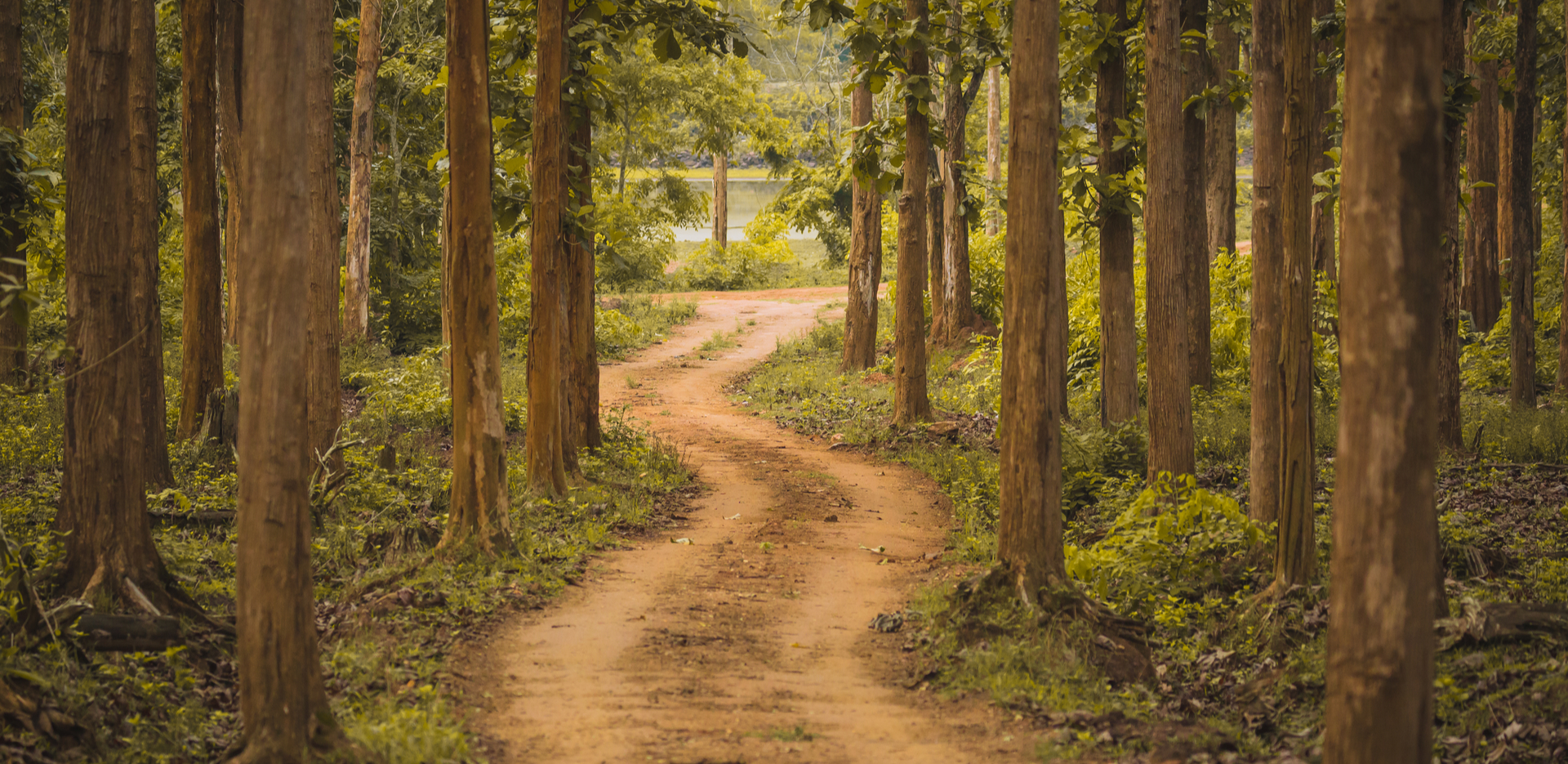
Safaris at Gir National Park begin on a note of quiet anticipation. Here, the wilderness trail winds through teak forests, open grasslands, and dry riverbeds, every crunch and rustle a hint at what lies ahead.
● Best known for: The last natural home of the endangered Asiatic lion
● Top wildlife sightings: Asiatic lions, leopards, chital, sambar, nilgai, marsh crocodiles, and a rich variety of birdlife, with over 400 recorded species
● Best time to visit: December to March for pleasant weather; summer months increase the chances of spotting wildlife around water sources
● Safari options: Guided jeep safaris through designated routes in Gir National Park
● Stay nearby: Club Mahindra Gir offers a convenient base to explore the park and discover the culture and landscapes of the region
Long before you test your luck spotting a lion, Gir begins to reveal itself in quieter ways. A herd of chital pausing in the scrubland. Langurs calling to one another from the treetops. Your guide slowing the jeep to read signs that most visitors would pass by without a second glance.
Home to the world's last remaining population of Asiatic lions, Gir National Park is one of India's most significant conservation success stories. Spread across dry deciduous forests, scrublands, and grasslands in Gujarat's Saurashtra region, it offers an experience that's as much about understanding a thriving ecosystem as it is about spotting its most celebrated resident.
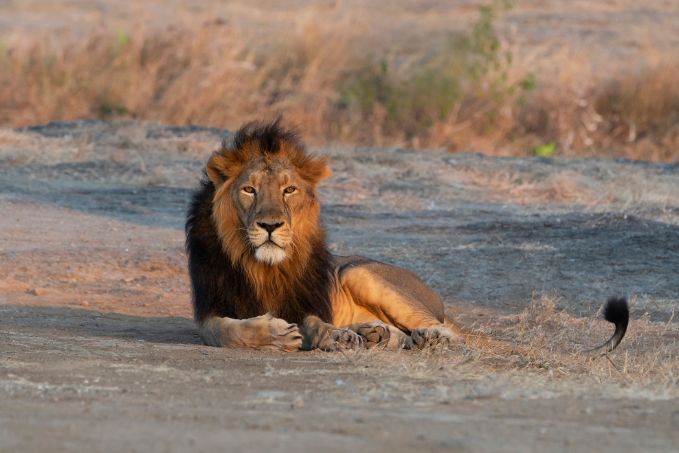
Gir is the only place in the world where Asiatic lions continue to roam freely in their natural habitat, making your safari here unlike any other.
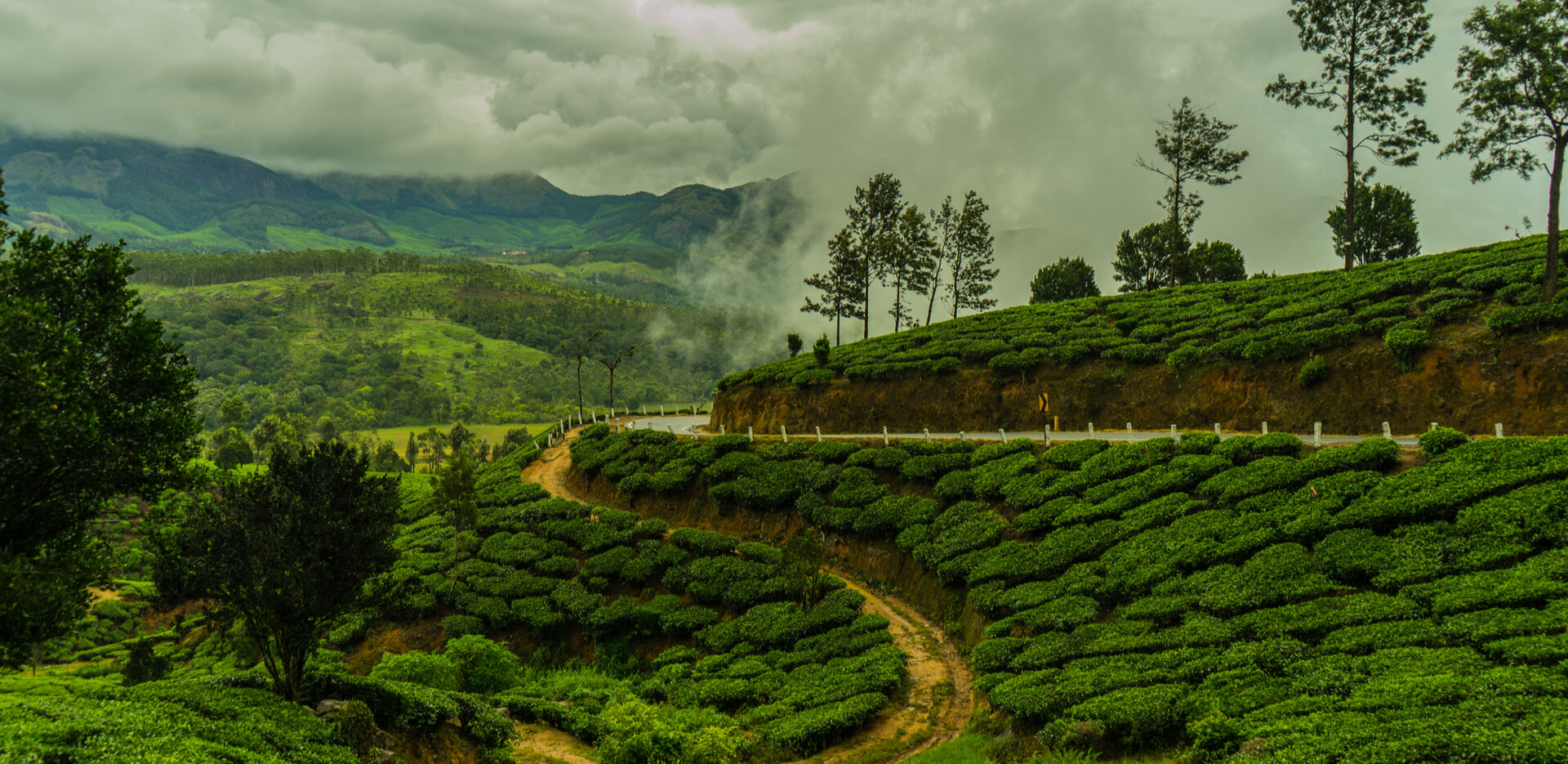
The landscape plays an equally important role in shaping the experience. Unlike dense tropical forests where visibility is often limited, Gir's mix of teak forests, acacia scrub, open grasslands and riverine habitats creates ever-changing scenery. One moment you're driving beneath a leafy canopy; the next, the forest opens into broad clearings where deer graze cautiously and peafowl wander through the undergrowth.
This remarkable landscape has supported decades of conservation efforts that have helped the Asiatic lion population recover from the brink of extinction. Today, every safari offers visitors the chance to witness not only a rare species but also the thriving ecosystem that supported its remarkable recovery.
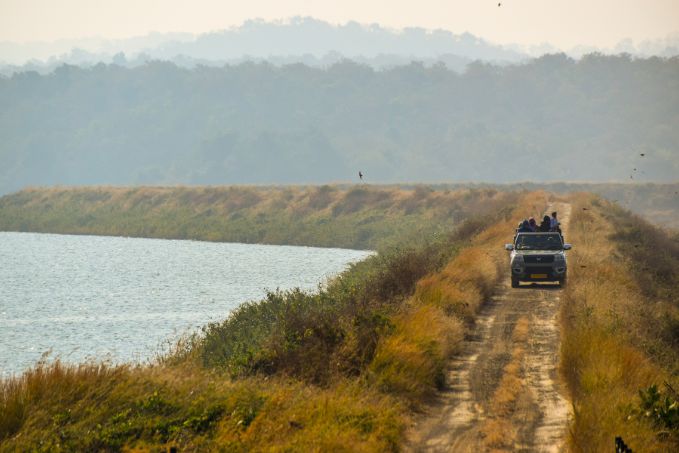

Morning safaris begin as the forest stirs to life, with birdsong filling the air and pugmarks pressed into damp mud. Evening safaris are awash in golden light, as wildlife moves through its habitat in a different rhythm.
Every safari is accompanied by trained guides who know the park intimately. They don't simply drive from one point to another; they interpret the forest. Alarm calls from deer or langurs, fresh tracks crossing the trail, or movement deep within the scrub all become clues that help piece together the story unfolding around you.
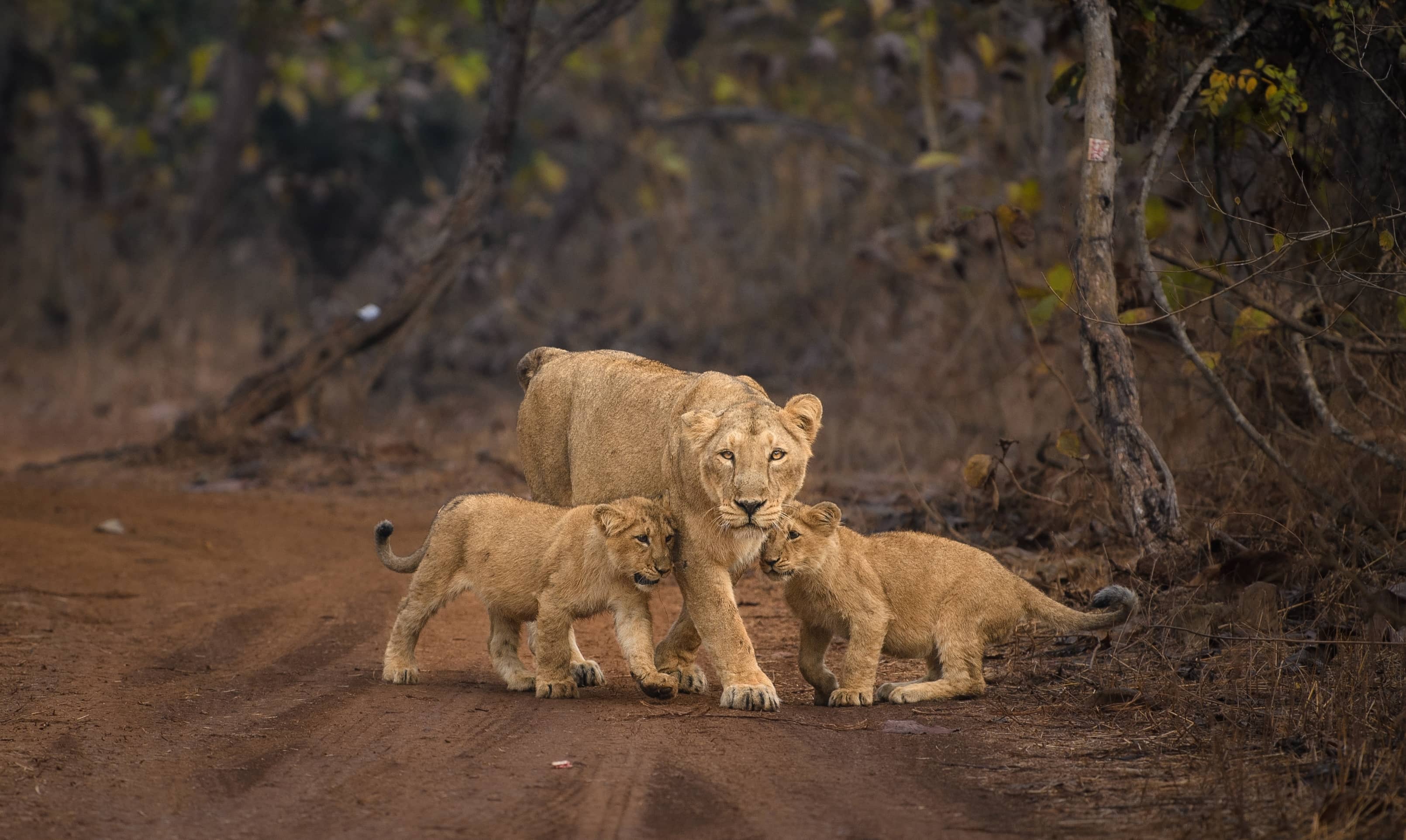
No two safaris are ever the same. You may spot a lion resting beneath the shade of a tree, a lioness confidently crossing the trail, or simply catch a fleeting glimpse of a pride as they disappear into the undergrowth. Wildlife moves on its own terms, and that's precisely what makes every sighting memorable.
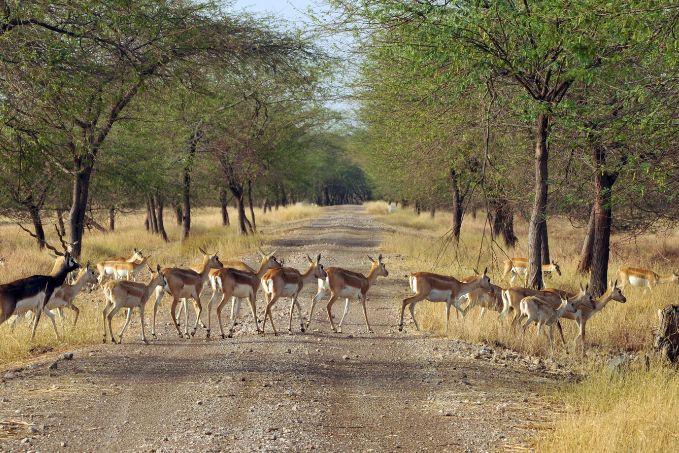
Although the Asiatic lion captures most of the attention, Gir's biodiversity extends far beyond its kingly predator.
Leopards move silently through the forest, often preferring rocky terrain and thicker vegetation. Herds of chital and sambar are among the park's most commonly sighted herbivores, while nilgai, the largest antelope in Asia, can be seen grazing in open areas.
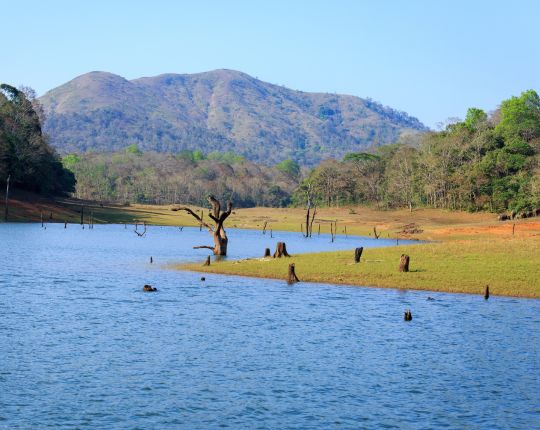
Reptiles are equally fascinating. Kamleshwar Dam, one of Gir's important water bodies, is known for its population of marsh crocodiles that bask along the banks during warmer hours.
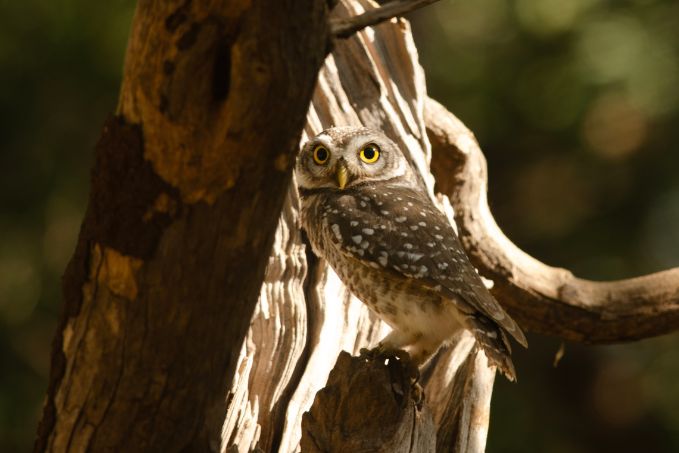
Birdwatchers also find plenty to admire here. With more than 400 recorded bird species, Gir rewards patient observers with sightings of crested serpent eagles, paradise flycatchers, kingfishers, owls, and numerous migratory birds depending on the season.
Every safari unfolds differently, making repeat visits just as rewarding as the first.
Gir National Park generally remains open from mid-October to mid-June, with the park remaining closed during the monsoon season as part of wildlife and habitat management.
Winter, between December and March, is particularly pleasant for safaris, thanks to comfortable temperatures and excellent opportunities to explore the park.
The hotter summer months, especially April and May, often improve wildlife sightings as animals gather around water sources, although daytime temperatures can be considerably higher.
Whichever season you choose, booking your safari well in advance is recommended, especially during weekends, holidays and peak travel periods.
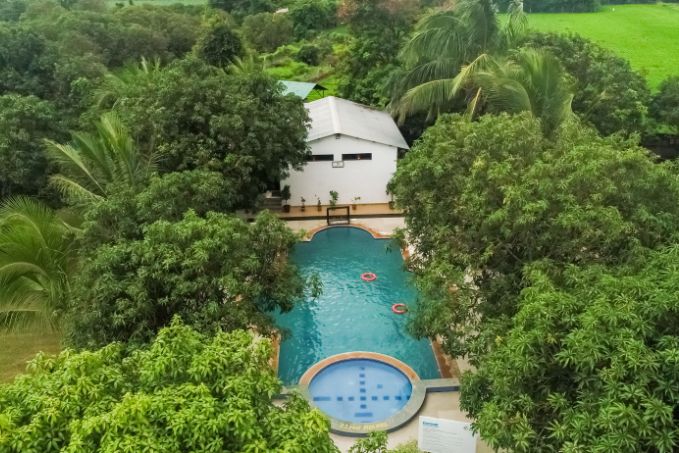

Staying close to the action allows you to enjoy unhurried mornings, early safari departures, and a chance to experience the region at a more relaxed pace.
Located near Gir National Park, Club Mahindra Gir offers a comfortable base for exploring the surrounding forests, nearby attractions, and local culture. Whether you're setting out for an early morning safari or returning after a rewarding day in the wilderness, it's a welcoming place to unwind before your next adventure.
Mahindra Holidays & Resorts India Ltd. (MHRIL), a part of Leisure and Hospitality sector of the Mahindra Group, offers quality family holidays primarily through vacation ownership memberships and brings to the industry values such as reliability, trust and customer satisfaction. Started in 1996, the company's flagship brand ‘Club Mahindra’, today has over 300,000 members , who can holiday at 140+ resorts in India and abroad.