

January 09, 2024
21 Traditional Foods of Makar Sankranti 2024

CM Content Team
Update on : 12 January, 2024, 07:55 am
January 09, 2024
CM Content Team
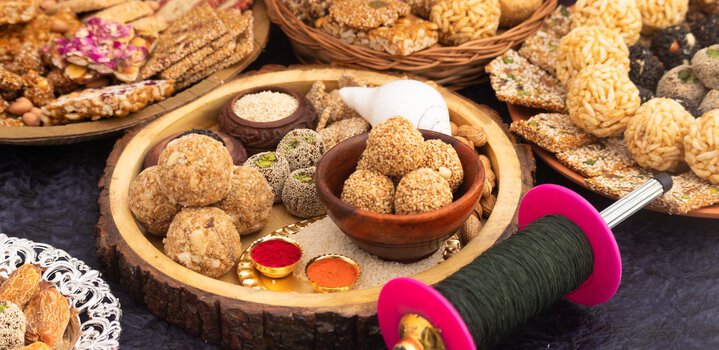
You can feel the excitement in the air as Makar Sankranti approaches. The festival is about families coming together, laughter filling the air and kite flying competitions while savouring the makar sankranti food items. It's more than just a festival. It's a celebration of light, warmth, and new beginnings. The food of Makar Sankranti is another aspect of this festival that everyone enjoys. Sweet, spicy, crunchy and savoury, there are a plethora of Makar Sankranti dishes you can relish.
Here are some of the food items eaten in the Makar Sankranti celebration in India.
Let’s look at these Makar Sankranti dishes in detail.
Til Laddoos are like little bites of joy. The process of making this Makar Sankranti food is almost as delightful as savouring them – toasting sesame seeds, melting jaggery, and that irresistible aroma filling the kitchen. They're not just sweets; they're a celebration of warmth and togetherness. The sweet, nutty flavour of sesame seeds combined with the earthy taste of jaggery creates a perfect balance of taste and texture. The best part is sharing these laddoos with family and friends, creating memorable moments.

Gajak is like the winter sweetheart of India. This Makar Sankranti food is a perfect mix of crunchy peanuts or sesame seeds with the sweetness of jaggery. This culinary delight holds a special place during celebrations like Makar Sankranti and Lohri, embodying tradition and joy. The sound of that brittle texture breaking is just music during those chilly evenings. Gajak is like a delicious hug for your taste buds.
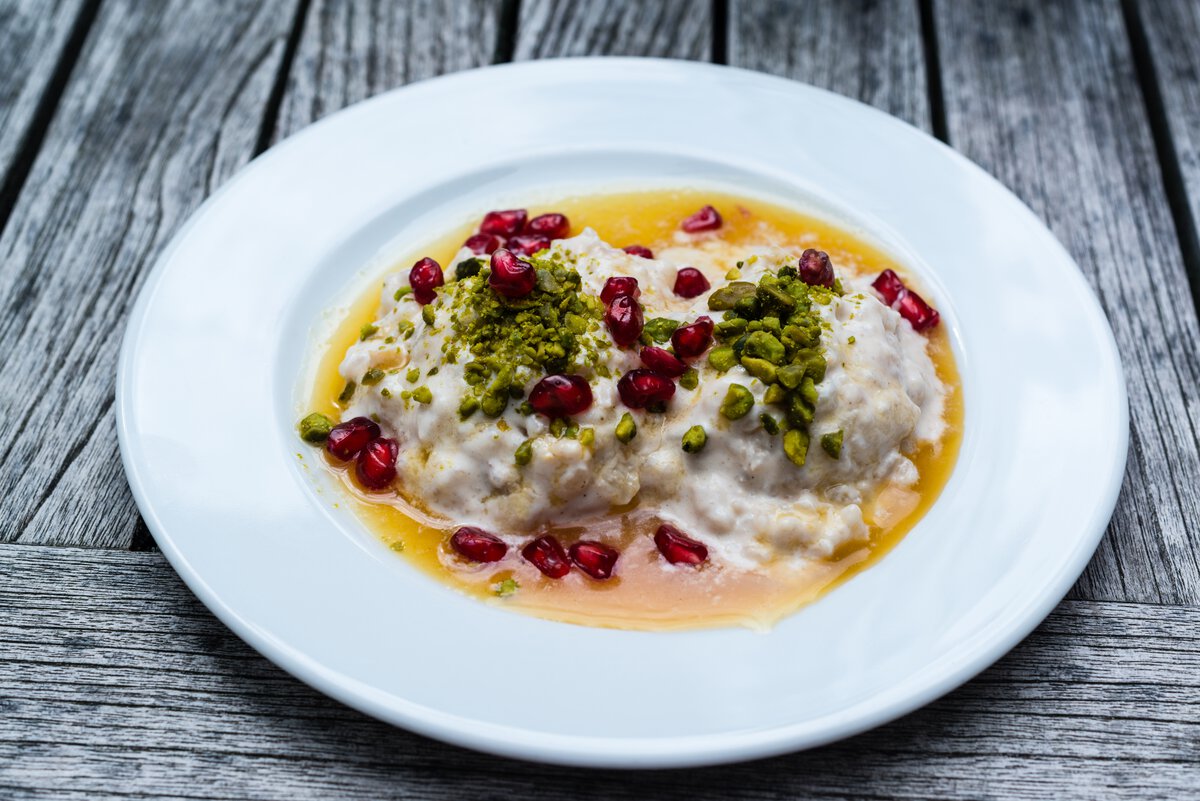
Makara Chaula Khiri is like the sweet star of the show during Makar Sankranti in Odia. Freshly harvested rice is cooked with milk, jaggery, and a whole bunch of goodies like grated coconut, nuts, and dry fruits to create this delicious food of Makar Sankranti. So, if you're ever in Odisha during this festival, don't miss the Makara Chaula Khiri—it's a dessert fiesta you won't forget!
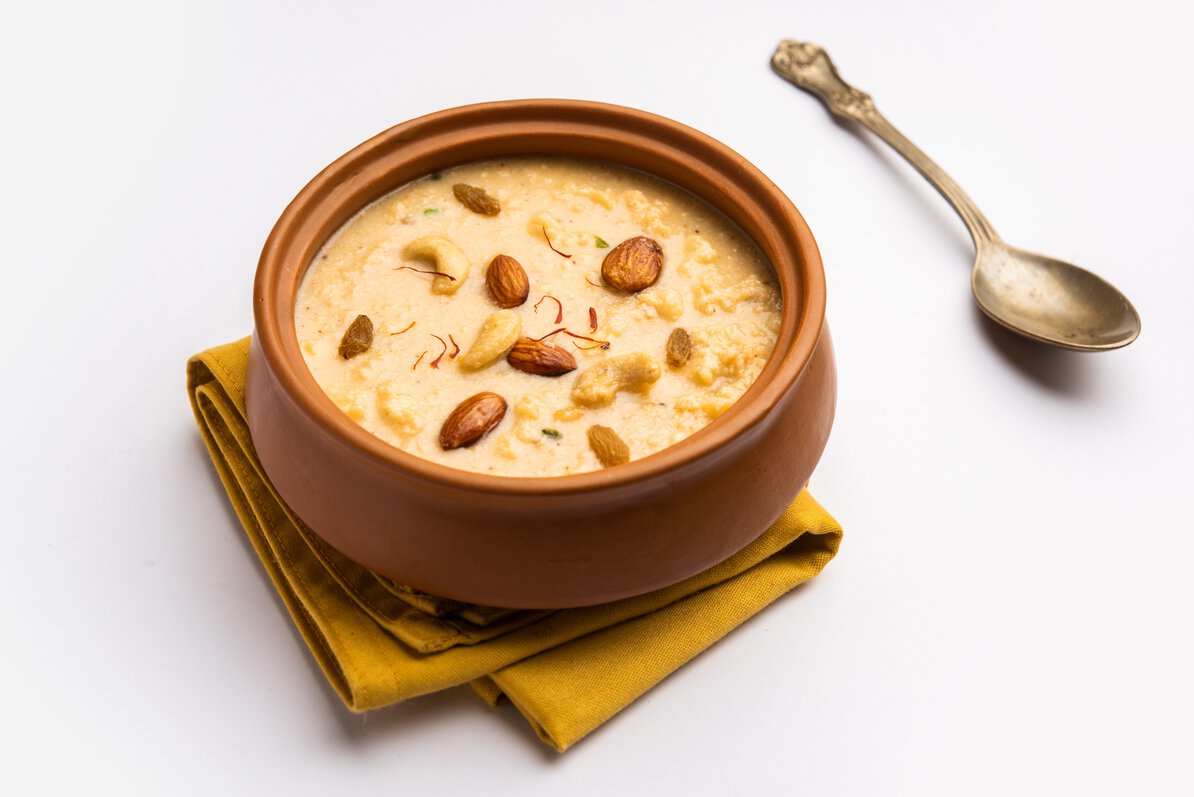
Payesh is a South Indian dessert similar to North Indian Kheer. This rich and thick pudding-like dessert is made with rice, milk, and jaggery and is a delightful treat. The use of jaggery instead of sugar gives Payesh a distinct, earthy sweetness. Payesh is typically prepared during special occasions and festivals and is one of the Makar Sankranti food items. It showcases the rich culinary heritage of South India.
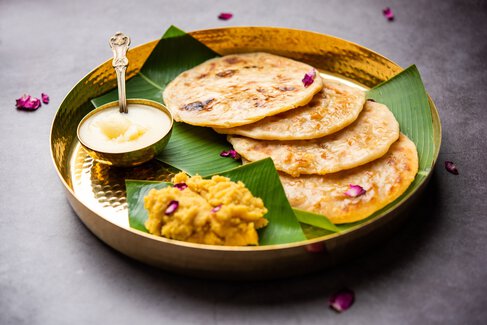
This is a Maharashtrian delight, a sweet paratha enjoyed during festivals. It features a tasty filling of moong dal and jaggery, creating a perfect blend of flavours. The soft, flaky wheat flour paratha wraps around this sweet mixture, offering a satisfying treat. Preparing this food of Makar Sankranti involves rolling and cooking until the paratha turns golden brown. With each bite, you experience the tender paratha and the delightful sweetness of the filling, making Puran Poli a cherished dish that adds joy to celebrations and special occasions.
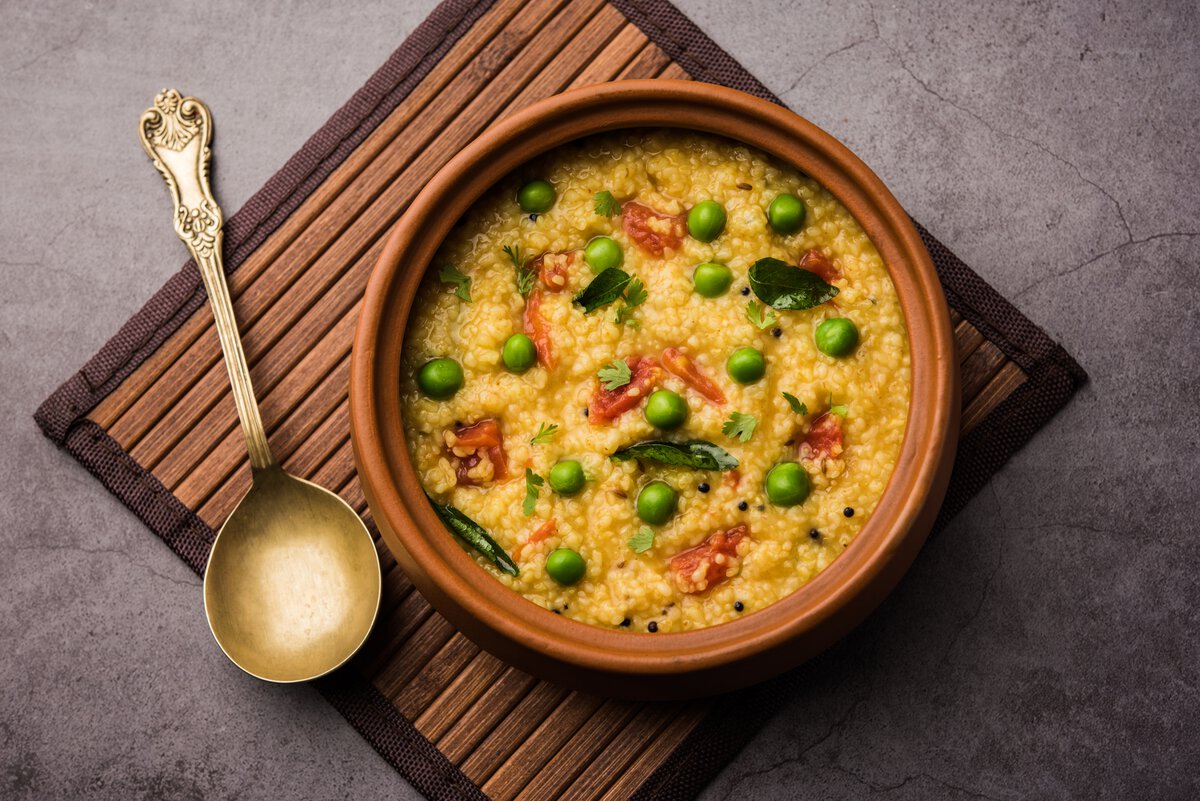
Khichdi is one of the simpler Makar Sankranti food items. This comforting dish is made with rice and moong dal and is commonly prepared for lunch during Makar Sankranti. This wholesome dish is best enjoyed with a dollop of ghee, offering warmth and nourishment during the winter season. The simplicity of khichdi makes it a staple dish in many Indian households, symbolizing togetherness and humility.
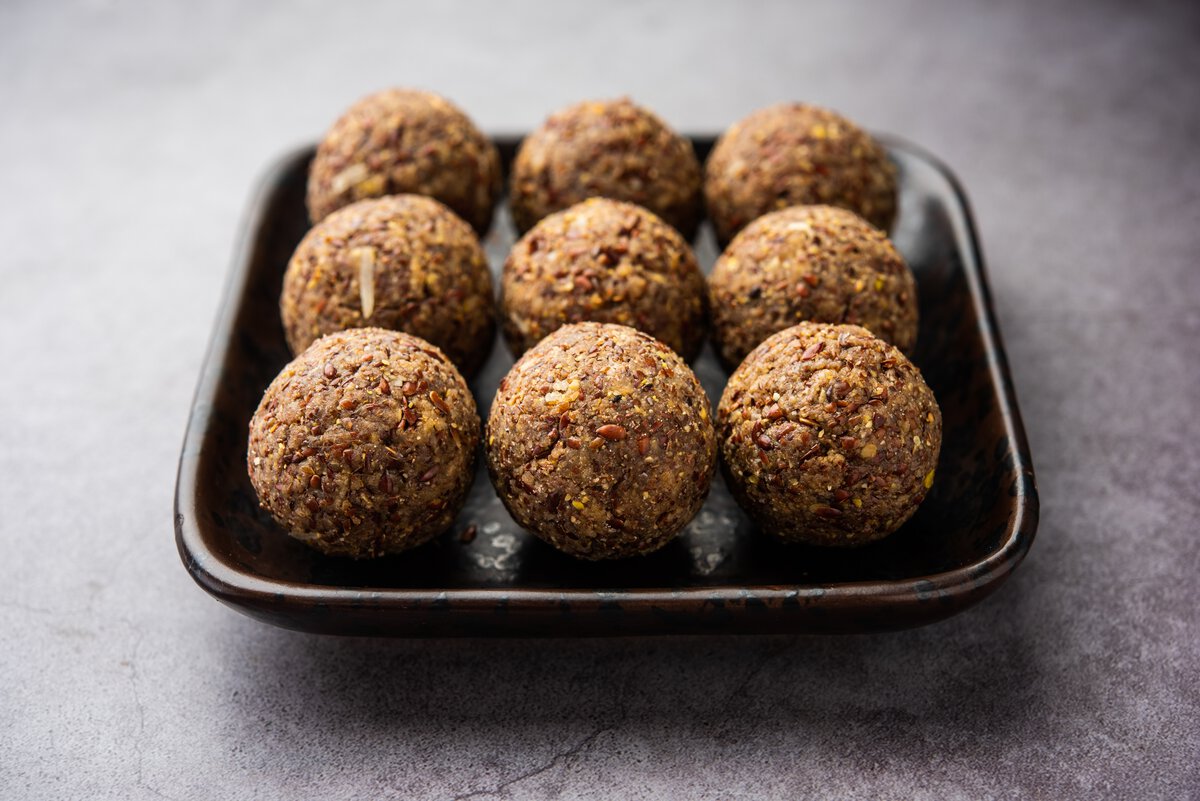
Pinni is a traditional Punjabi sweet Makar Sankranti food made with wheat flour, ghee, and sugar or jaggery. These bite-sized laddoos are a rich and delicious treat and are loaded with dry fruits. Pinni is often prepared during winter months to provide energy and warmth. The combination of ghee, wheat flour, and dry fruits creates a delightful taste and texture that is both satisfying and energizing.
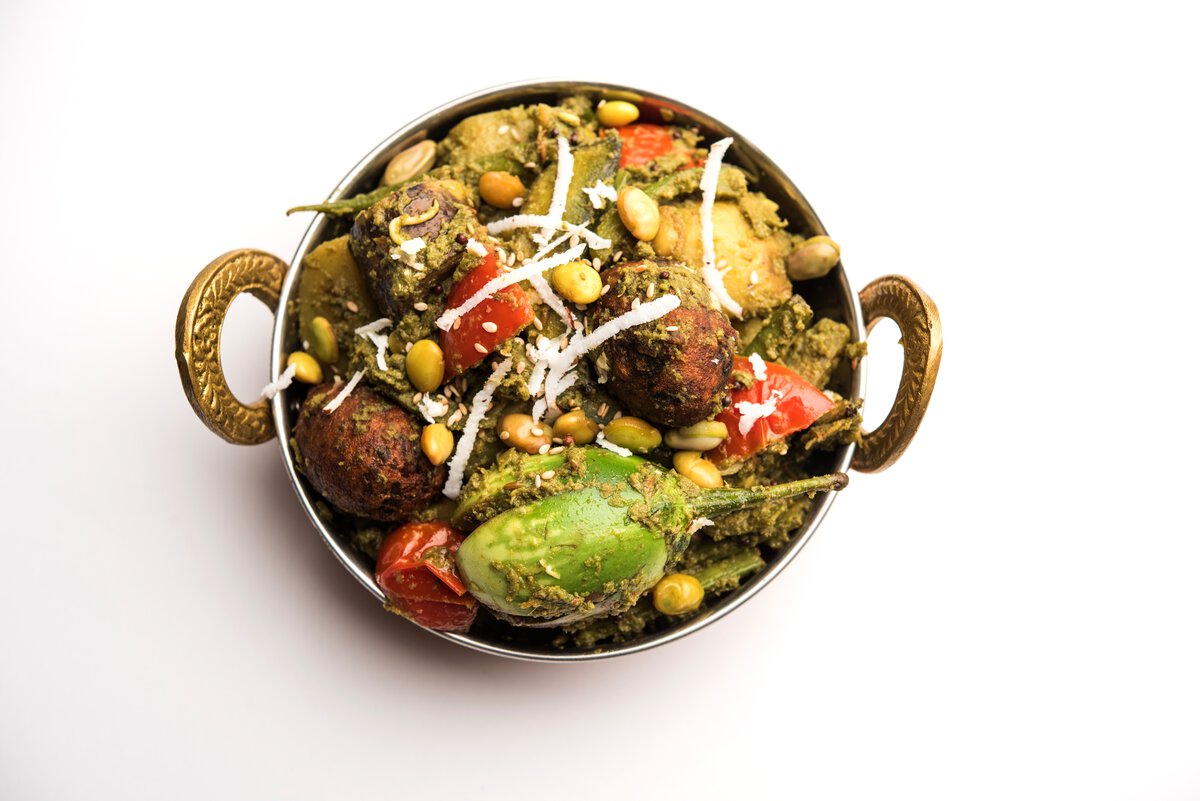
Undhiyu is a popular Gujarati dish prepared during Makar Sankranti, featuring a mix of seasonal vegetables, such as potato, brinjal, green beans, yam, peas, and raw bananas. Cooked with aromatic spices, Undhiyu is a flavourful and nutritious dish that celebrates the bounty of the harvest season. The slow-cooking process allows the flavours to meld, creating a delicious and satisfying meal.
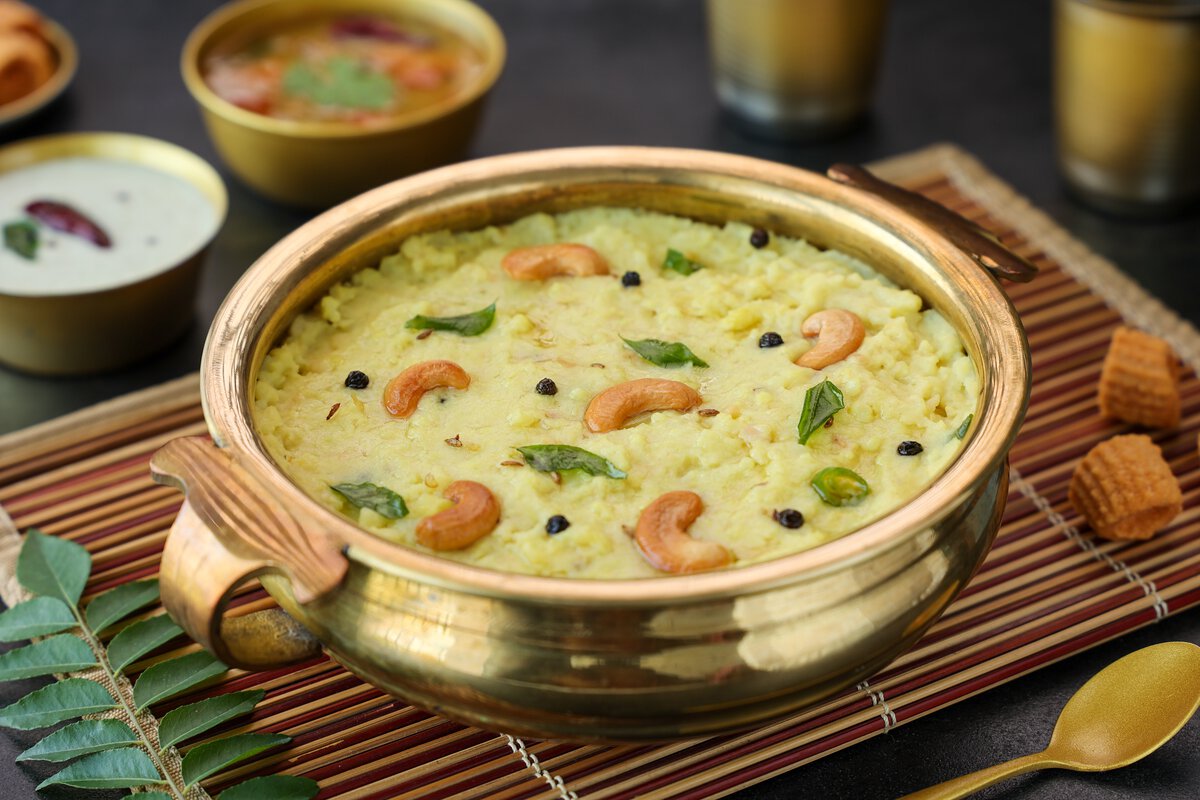
Sweet Pongal, or Chakkara Pongal, is a South Indian food for Makar Sankranti (Pongal) celebrations. It is made with freshly harvested rice, moong dal, ghee, and jaggery and with a cardamom flavour. The dish has a rich, sweet taste and is often garnished with cashews and raisins. It is a symbol of prosperity and is offered to deities as a form of gratitude for the bountiful harvest.

Rice Kheer is a creamy and aromatic North Indian dessert. This rice pudding is made with rice, milk, sugar, and cardamom and is one of the famous Makar Sankranti dishes. It is often garnished with chopped nuts such as almonds, cashews, and pistachios. Rice Kheer is a classic dish prepared during festivals, celebrations, and special occasions. The slow cooking of rice in milk gives the dessert a thick and luscious consistency, making it a delightful and comforting sweet treat loved by people of all ages.
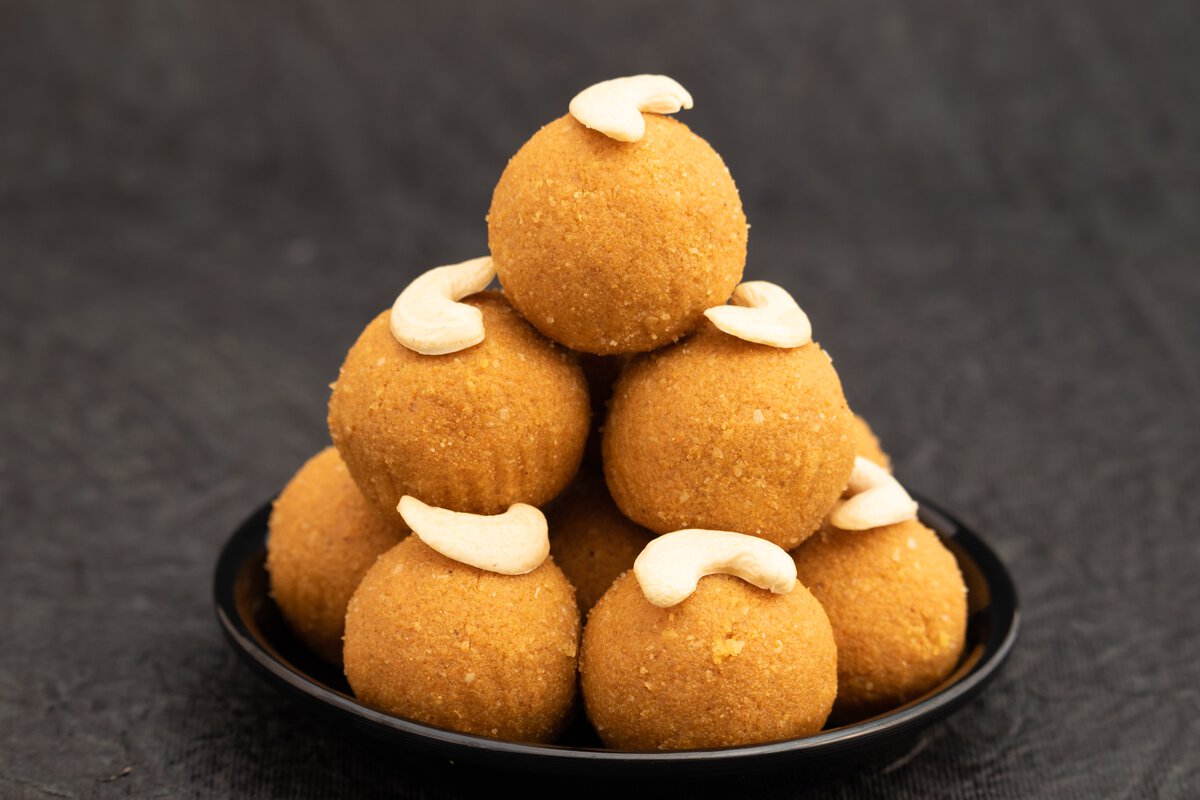
Oh, Besan ke Ladoo! Those little round delights are like a burst of happiness in every bite. This sweet food of Makar Sankranti is made from gram flour (besan), ghee, and sugar and flavoured with cardamom. The aromatic flavour of roasted gram flour, combined with the richness of ghee and sweetness of sugar, makes Besan ke Ladoo a delightful and satisfying dessert. These ladoos are often garnished with chopped nuts, adding a crunchy texture to the soft and flavourful sweetness.
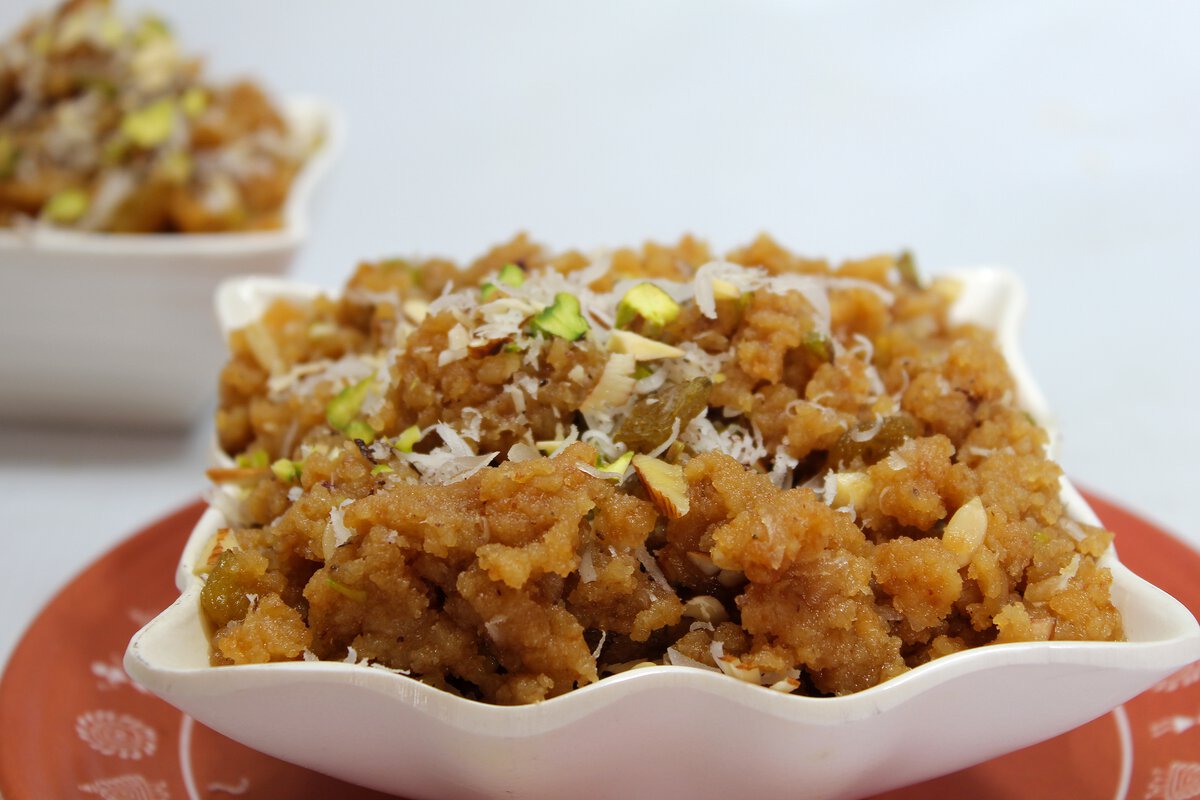
Suji ka Halwa, or Sheera or Semolina Halwa, is a classic Indian dessert made from semolina (suji/rawa), ghee, sugar, and water or milk. This sweet dish is quick to prepare and is commonly served with food for Makar Sankranti. The roasted semolina gives the halwa a nutty flavour, and it is often garnished with raisins, cashews, and almonds. Suji ka Halwa has a comforting and warm texture, making it a beloved dessert enjoyed across different regions of India.
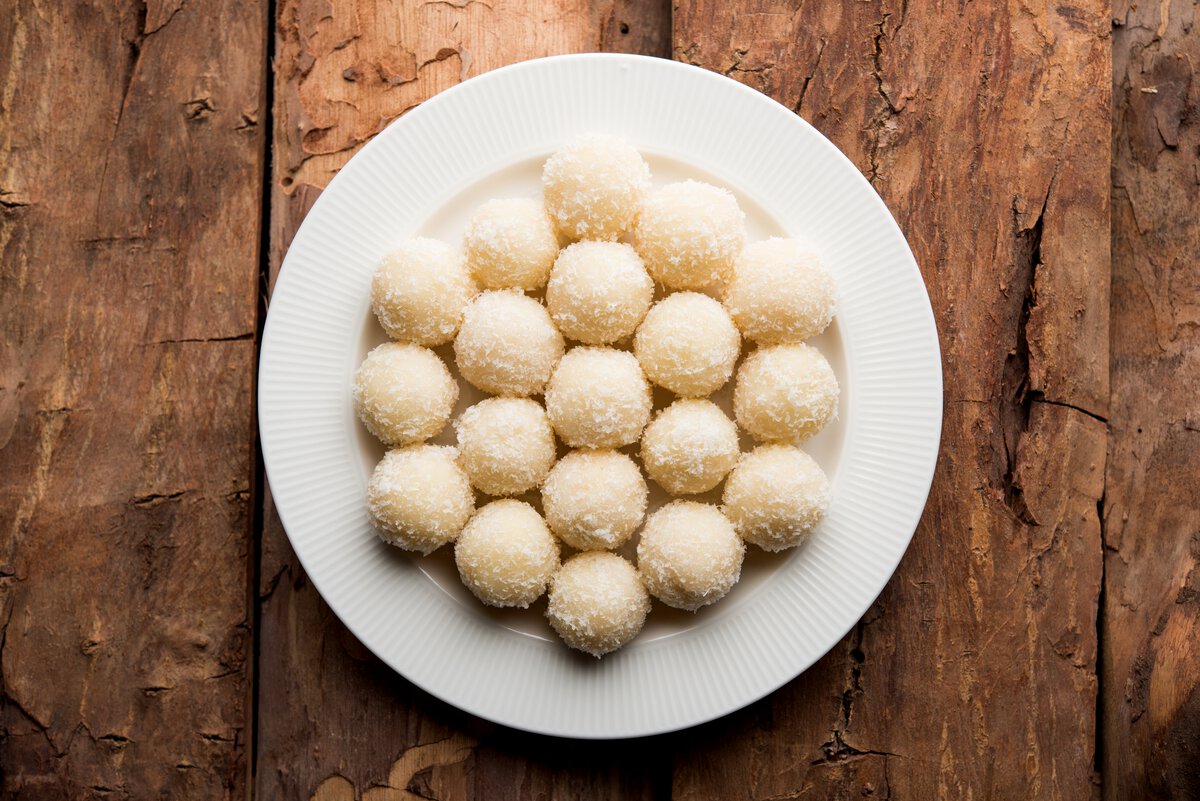
Coconut Ladoo is a delectable Indian sweet made from grated coconut, condensed milk, and cardamom. These round, bite-sized treats are not only delicious but also easy to prepare. The natural sweetness of coconut combined with the creamy texture of condensed milk creates a delightful harmony of flavours. Coconut Ladoos are often rolled in desiccated coconut or garnished with chopped nuts, adding an extra layer of texture and visual appeal. These ladoos are commonly prepared during festivals, celebrations, or as offerings in religious ceremonies, making them a popular choice for those with a sweet tooth.
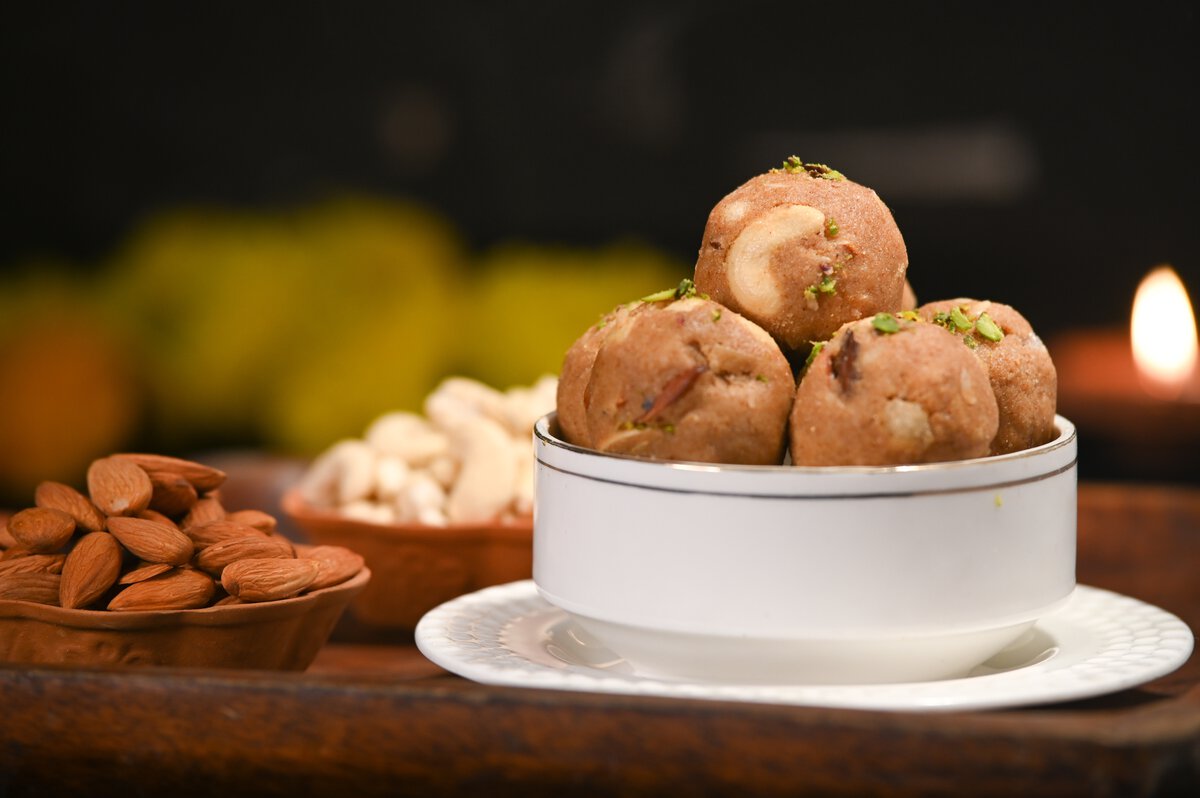
Atta Ladoo is a nutritious and wholesome Indian sweet that is relished as one of the Makar Sankranti dishes. It is made from whole-wheat flour or atta, sugar, ghee, and cardamom. These round-shaped ladoos are not only a delicious treat but also a source of energy. The roasted whole-wheat flour imparts a nutty flavour, while the ghee and sugar contribute to the rich and sweet taste. Atta Ladoos are often garnished with chopped nuts like almonds and cashews. These ladoos are a favourite during festivals, particularly in North India, and are cherished for their simplicity and delightful taste.
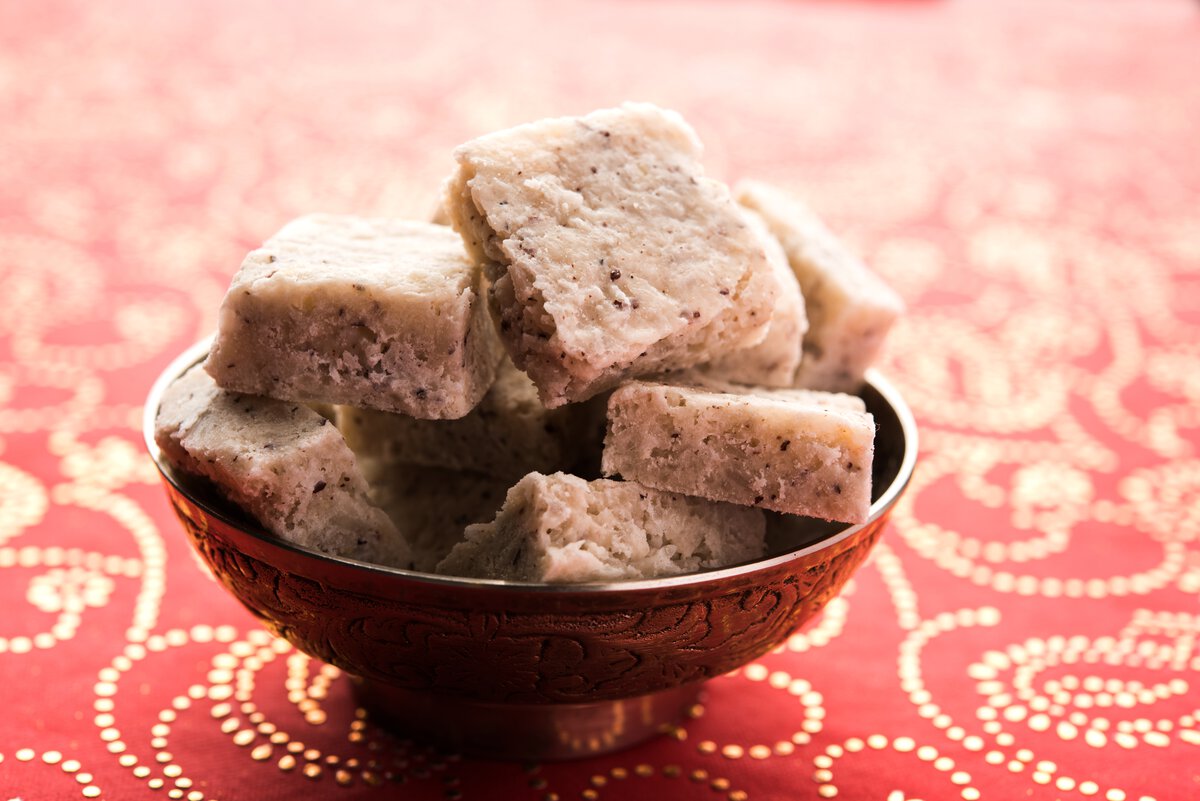
Many Makar Sankranti food items make the festival extra special, and one such delicious treat is Coconut Barfi. This scrumptious Indian sweet is a blend of grated coconut, sugar, and milk, creating a rich, fudgy, irresistible texture. The exotic coconut flavour in this delightful dessert is further enhanced with a sprinkle of chopped nuts, adding a lovely crunch that contrasts beautifully with the soft barfi. Not only is it super easy to prepare, but it's also a popular choice during festivals and celebrations, making it a much-loved addition to the Makar Sankranti festivities.
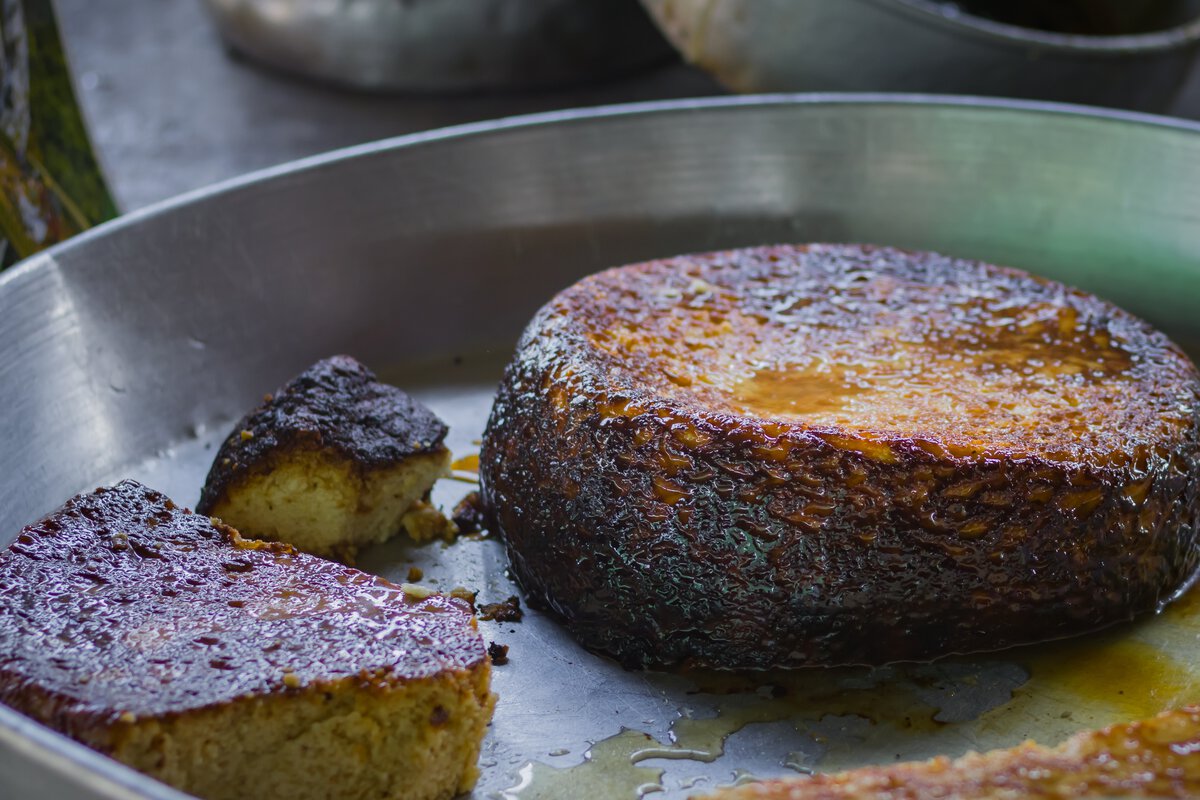
Chhena Poda is a unique and delicious dessert originating from the state of Odisha in India. It is made from fresh cottage cheese (chhena), sugar, cardamom, and sometimes a hint of semolina. The mixture is baked until it achieves a beautiful caramelized crust, giving it a distinctive flavour and texture. Chhena Poda is often garnished with chopped nuts and served in slices. The caramelization during baking imparts a smoky and sweet flavour to the dessert, making it a beloved treat during festivals and special occasions in the Odia culinary tradition.
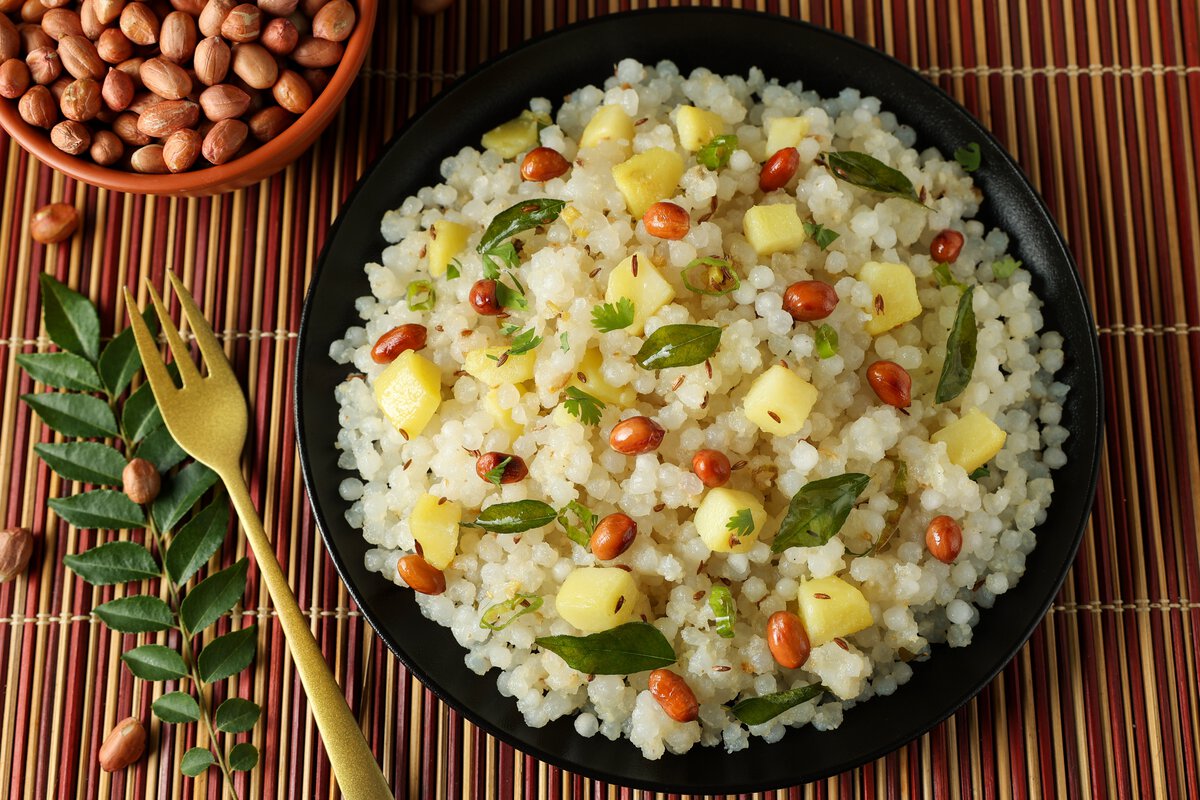
Sabudana Vada is a delightful Indian snack that's particularly popular as one of the Makar Sankranti food items. These tasty deep-fried patties are made from a mix of soaked and drained sago pearls (sabudana), mashed potatoes, peanuts, green chillies, and various spices. With their crispy exterior and soft interior, Sabudana Vadas showcase a unique texture that's simply irresistible. The combination of sabudana, potatoes, and spices creates a burst of flavours that's both satisfying and scrumptious. These mouthwatering patties are often served with yoghurt or chutney.
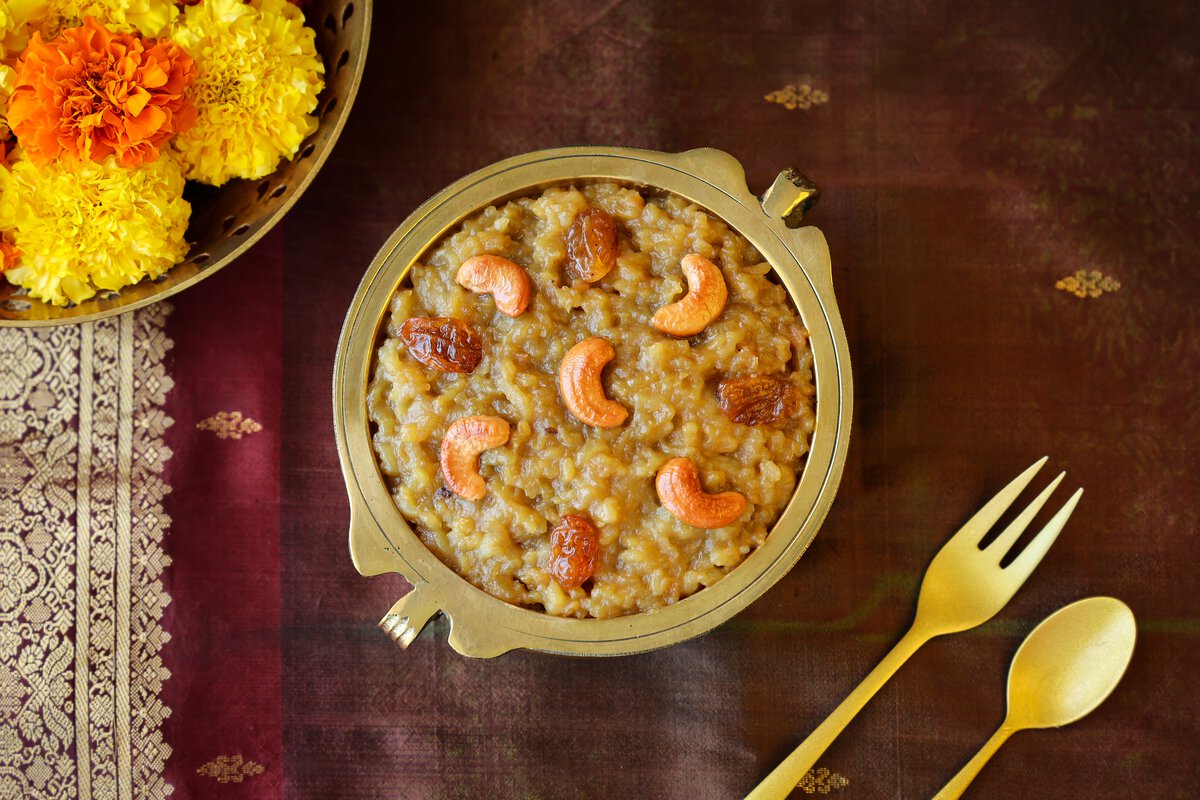

Ven Pongal, or Pongal, is a South Indian savoury dish made with rice and split yellow moong dal. It is Seasoned with black pepper, cumin, ginger, and ghee, Ven Pongal has a comforting and aromatic flavour. The dish is garnished with curry leaves and cashews. It is a popular breakfast item in South India and is also served as a part of the Pongal festival celebration. Ven Pongal is known for its simplicity, yet it delivers a hearty and satisfying taste, making it a staple in South Indian households.

Fafda-Jalebi is a delicious combination often enjoyed as a food of Makar Sankranti in the western part of India, especially in Gujarat. Fafda is a crunchy, deep-fried snack made from gram flour (besan), turmeric, carom seeds, and other spices. It is commonly paired with Jalebi, a sweet and tangy dessert where wheat flour batter is deep-fried into circular shapes and soaked in sugar syrup. The contrasting flavours and textures of Fafda and Jalebi create a delightful culinary experience, making this combo a festive favourite during Makar Sankranti celebrations, symbolizing the spirit of joy and indulgence.
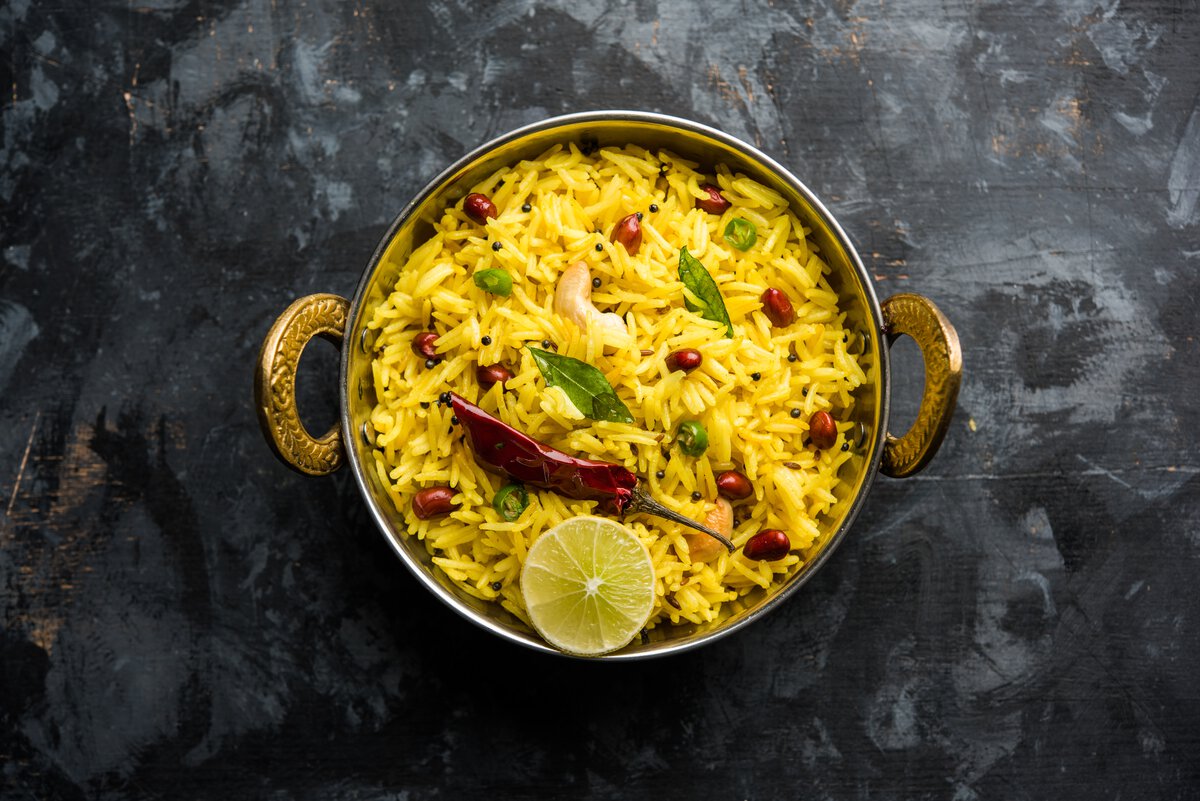
Lemon Rice is a flavourful South Indian dish that combines cooked rice with a tangy and aromatic lemon seasoning. Typically made with mustard seeds, curry leaves, green chillies, turmeric, and roasted peanuts, Lemon Rice is both refreshing and satisfying. The citrusy twist from freshly squeezed lemon juice adds a zesty flavour to the rice, creating a dish that is perfect for lunch or as part of a festive meal. Lemon Rice is known for its simplicity, quick preparation, and versatility, making it a popular choice not only during festivals like Makar Sankranti but also as a quick and tasty everyday meal.
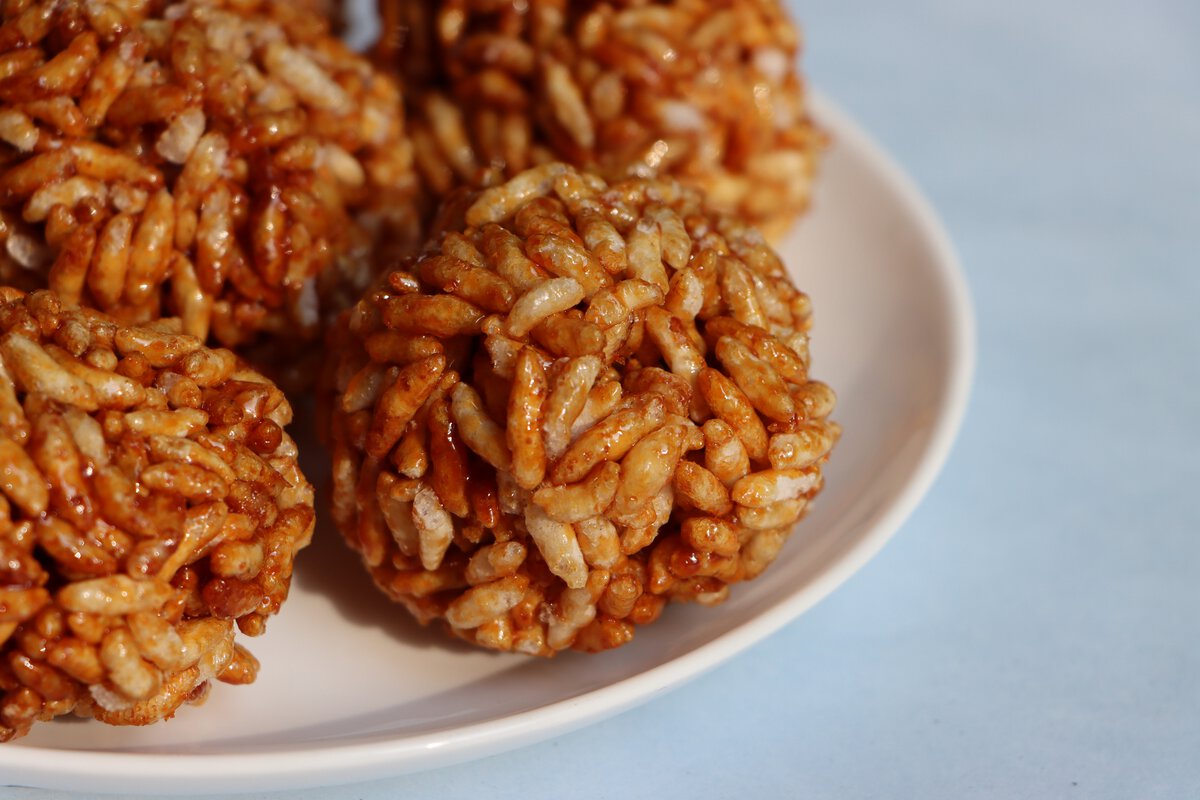
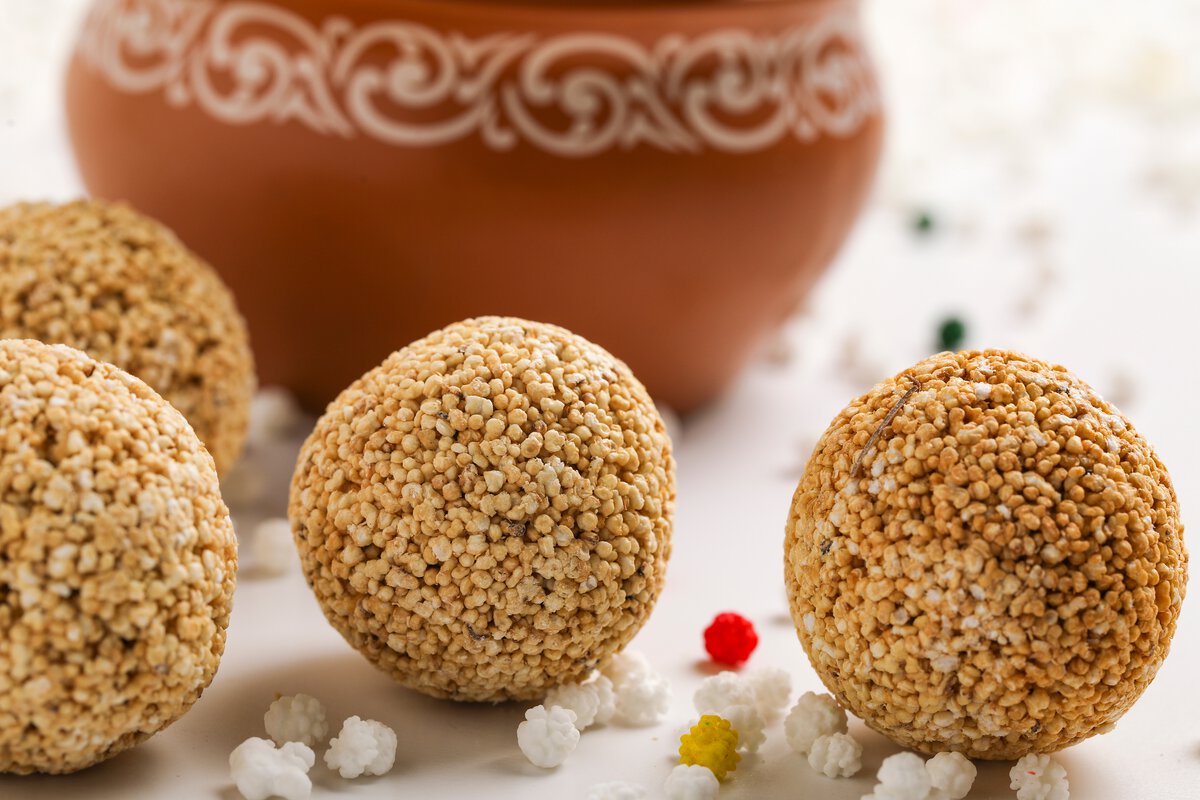
It is a popular Indian sweet snack made from puffed rice, jaggery, and a blend of aromatic spices. Commonly prepared for Makar Sankranti celebration in India. These bite-sized treats offer a delightful combination of sweetness and crunchiness. The puffed rice provides a light and airy texture, while the jaggery adds a rich, caramel-like sweetness. The spices, often including cardamom and nutmeg, contribute a warm and flavourful element to the laddoos. Murmura Laddoos are not only a delicious indulgence but also reflect the cultural diversity of Indian cuisine, showcasing the creative use of simple ingredients to create delightful culinary experiences.
We understand that these dishes are already making you want them. So try these Makar Sankranti dishes during your celebrations and add more flavour to your moments.
Mahindra Holidays & Resorts India Ltd. (MHRIL), a part of Leisure and Hospitality sector of the Mahindra Group, offers quality family holidays primarily through vacation ownership memberships and brings to the industry values such as reliability, trust and customer satisfaction. Started in 1996, the company's flagship brand ‘Club Mahindra’, today has over 300,000 members , who can holiday at 140+ resorts in India and abroad.