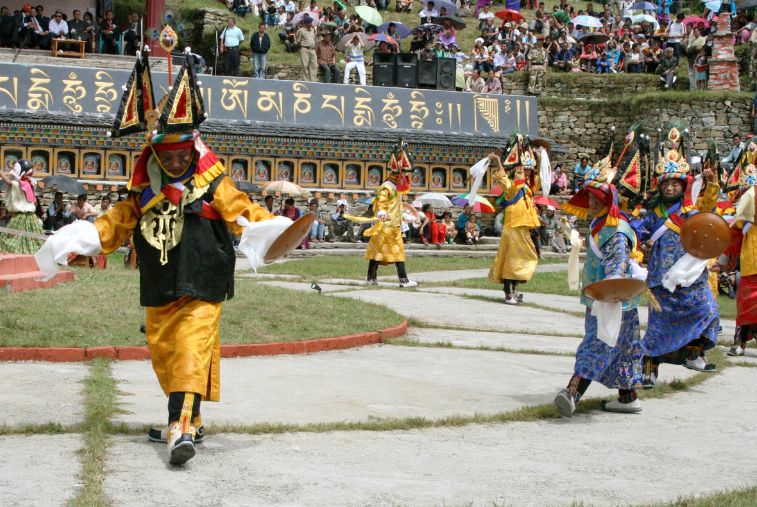
Sikkim’s culture is a vibrant blend of ancient traditions, spiritual depth, and community festivities. Throughout the year, the state comes alive with celebrations that reflect its deep Buddhist roots, unique tribal heritage, and reverence for nature. Here are some of the most cherished festivals of Sikkim, perfect for families looking to experience its rich cultural tapestry.
| Month | Festival | Date |
|---|---|---|
| February | Losar | 18th February 2026 |
| May | Saga Dawa | 31st May 2026 |
| November | Tihar (Diwali) | 8th November 2026 |
| August | Pang Lhabsol | 20th August 2026 |
| December | Losoong | 20th December 2025 |
Here are some of the most cherished festivals in Sikkim, perfect for experiencing with your family:
Beyond its festivals, Sikkim’s cultural heritage thrives through its traditional music and dance. Sacred Cham mask dances depict deities during religious ceremonies, while folk performances such as Maruni, Tamang Selo, and Ghatu bring communities together through rhythm and storytelling.
Every celebration, every dance, and every ritual reflects Sikkim’s serene yet spirited identity — a place where nature, faith, and culture are beautifully intertwined.