
February 05, 2026
12 Epic Indian Art & Cultural Festivals to Bookmark This Year

CM Content Team
Update on : 26 May, 2026, 11:55 am
February 05, 2026
CM Content Team
Art and travel share one secret—they show you the world through a new lens. To blend them together is a transformative experience, and the vast panorama of Indian festivals offer the perfect opportunity to journey for the love of culture and creativity. Across our shifting landscapes, art becomes devotion, and culture is cause for diverse communities to come together. So plan your leaves, pack your bags, and make your way through our curated art & culture calendar that keeps you in glorious motion, January through December!
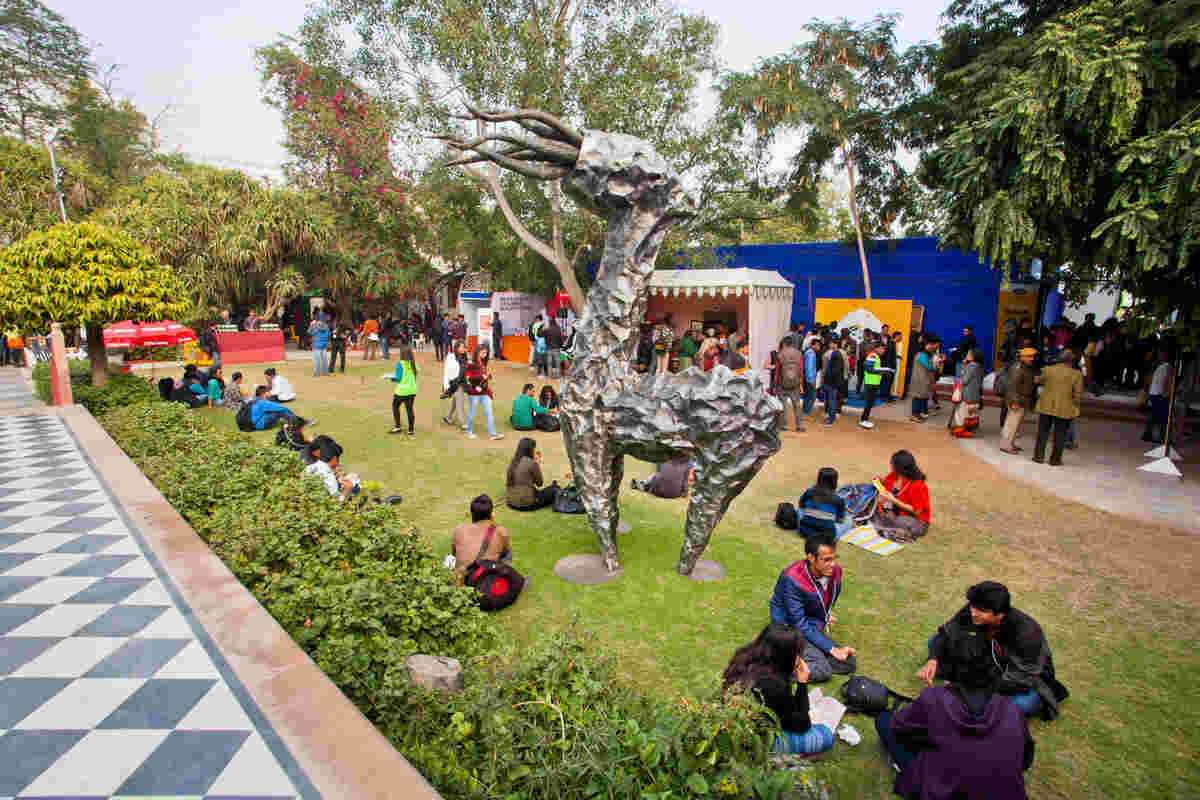
Begin the year on a rich note at the Jaipur Literature Festival (JLF), an annual literary communion that transforms the historic Diggi Palace into a winter sanctuary for lovers of the written word. Dubbed ‘the greatest literary show on earth’ by award-winning editor and past attendee Tina Brown, JLF draws all shades of the creative soul—Nobel laureates, Booker & Pulitzer Prize-winning authors, and paradigm-breaking historians to your favourite indie poets from far-flung parts of the world. Spend three immersive afternoons in the company of varied visionaries in conversation, stirred into memory with repeats of kulhad tea, and in the background, a cinematic desert sun. Conceived in 2006 by acclaimed author Namita Gokhale and multi-award-winning author-historian William Dalrymple, the Jaipur Literature Festival has since turned old-world courtyards into the hallowed stomping grounds of luminaries like Sir V.S. Naipaul, Margaret Atwood, Gulzar, Vikram Seth, Jhumpa Lahiri, Salman Rushdie, and many others.
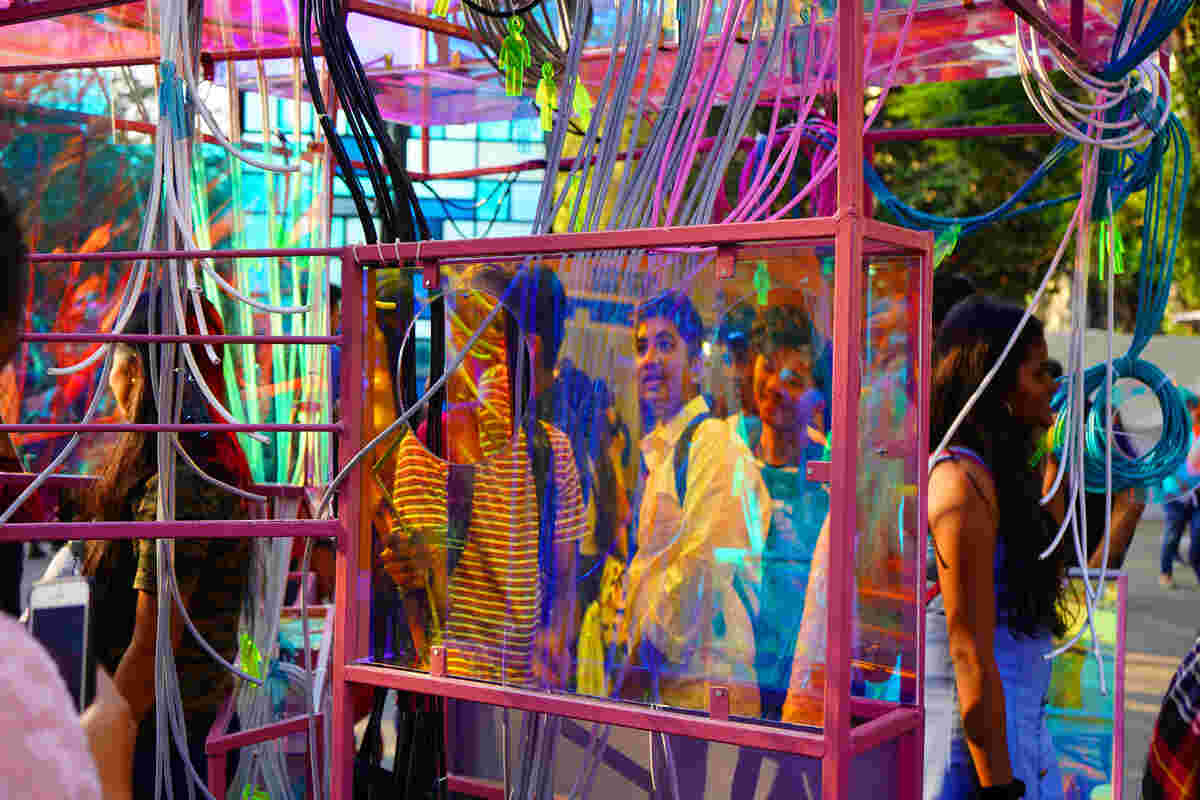
Every year at the tail end of Mumbai’s coastal winter, the art district of Kala Ghoda, located in the southern part of the city, transforms into one of India’s largest multidisciplinary street festivals. Often straddling the last days of January and early February, the festival serves as a cultural gateway to the second month of the year, with nine days of glorious public art. Any art form you can imagine is celebrated here—avant-garde installations, thought-provoking photography exhibitions, captivating dance performances and street plays, as well as community rendezvous such as workshops, heritage walks, and poetry baithaks. Over the years, it has welcomed celebrated personalities from diverse creative spheres, such as Shankar Mahadevan, Jerry Pinto, and Kiran Rao, among others. Since the events are free and open to all, the audience is often a spontaneous mix of art lovers and curious passersby–making the Kala Ghoda Art Festival a testament to the inclusive joys of art.
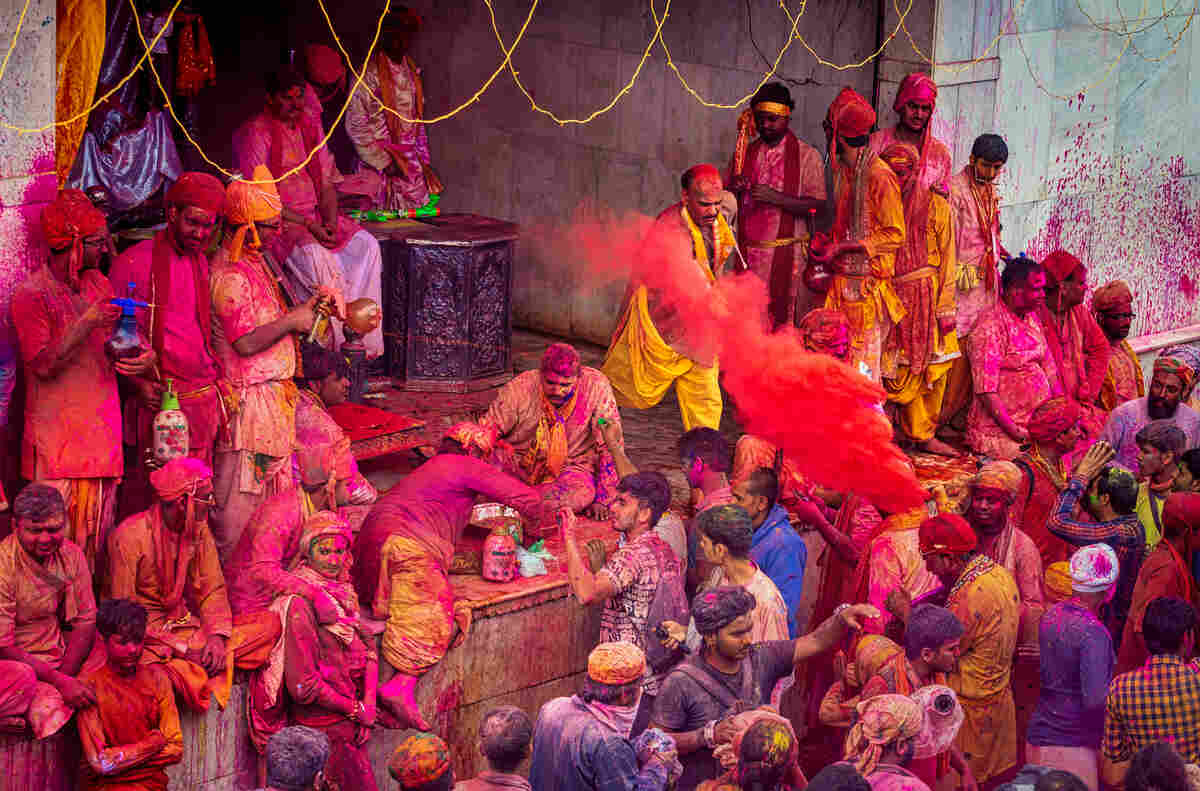
Drums thunder, conch shells trumpet, and clouds of crimson colour the air as the Braj region of Uttar Pradesh transforms into Lord Krishna’s playground during Rangotsav in March. Holi in Mathura and its neighbouring towns sees a coalescence of mythology, merrymaking, and music. In Barsana, Lathmar Holi unfolds with playful chases and Krishna bhajans, while nearby Nandgaon erupts in gulaal and bhaang-fuelled revelry. Vrindavan offers a gentler contrast with Phoolon Ki Holi, where fragrant flower petals shower devotees in temples. Together, Braj presents a vivid spectrum of celebrations—an unmissable canvas for photographers, filmmakers, and lovers of living tradition.
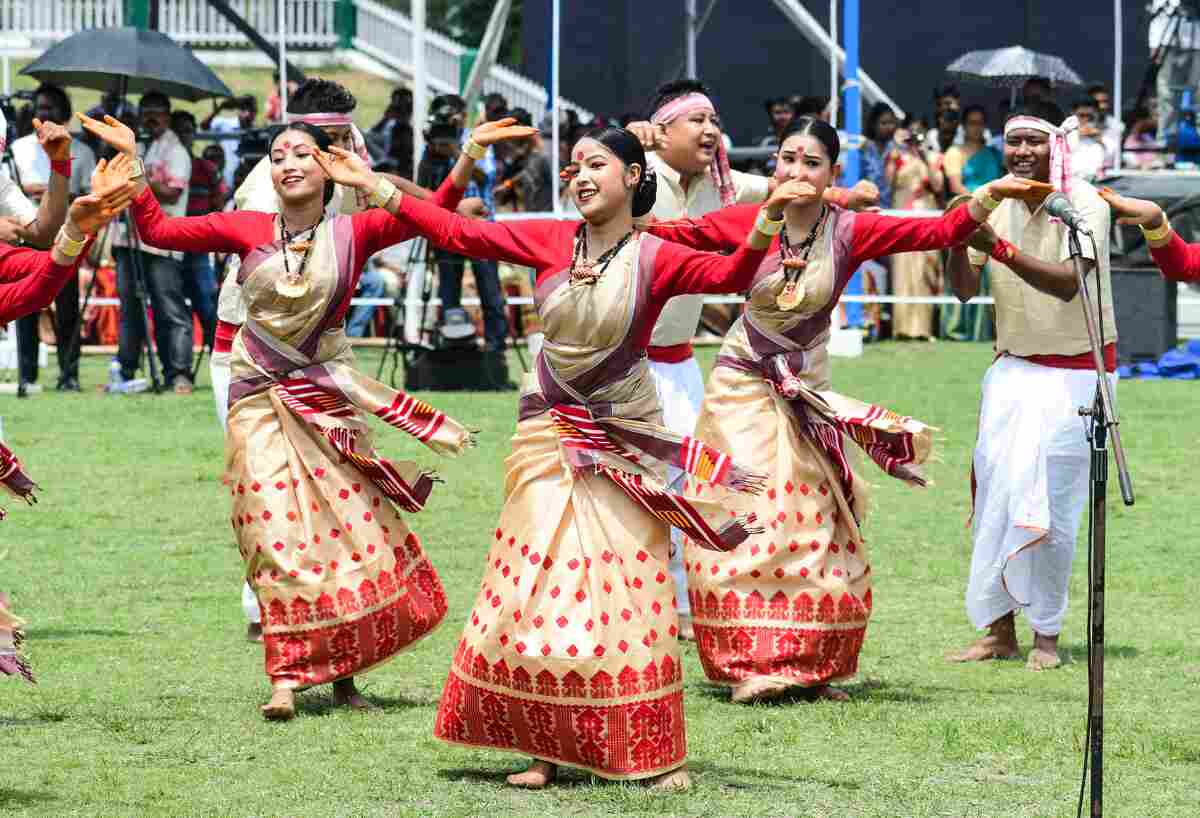
Come April, Rongali Bihu arrives in Assam, perhaps the most joyful of the three Bihus spanning the state’s agricultural calendar. Also dubbed Bohaag Bihu after the month of Bohaag, the festival marks the Assamese new year and the start of the sowing season. Homes are filled with the aroma of freshly made til and ghila pithas (traditional rice cakes flavoured with coconut and jaggery) and larus (sesame or coconut ladoos) as communities dance together to the rhythm of the dhol. Visitors aren’t mere spectators—they’re often invited to dance, eat, and celebrate the promise of abundance alongside locals. With Guwahati as your base, seize the opportunity for some slow, immersive travel through sunny tea estates, wildlife safaris in Kaziranga, and bustling local haats (markets) that will brighten your memories of the beautiful state.
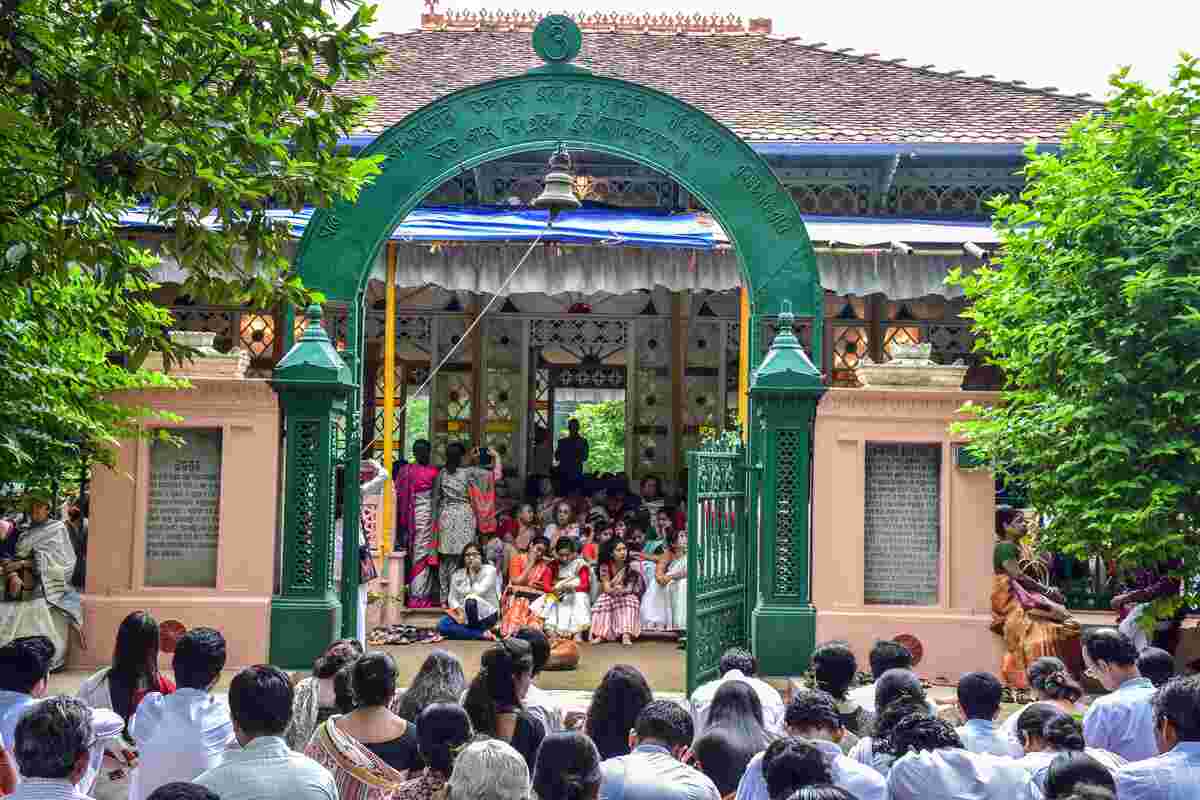
As large parts of India start to reel under the rising Celsius, Santiniketan–the scenic sanctuary of Bengali polymath Rabindranath Tagore—comes together for the bard’s birth anniversary, or Rabindra Jayanti. Tucked away in the laal maati (red soil) region of West Bengal’s Birbhum district, this ‘abode of peace’ is home to the Visva-Bharati University, founded in 1921 by the Nobel Laureate. Every May, the university campus turns into a vibrant open-air stage, with students performing Rabindra Sangeet (songs composed by Tagore), Rabindra Nritya (a Tagore-inspired dance form that blends classical and folk styles), graceful recitations, and timeless dance dramas. Beyond the celebration, make your way to Rabindra Bhavan Museum, Uttarayan Complex, and Kala Bhavan art school for a glimpse of Tagore’s educational vision. For lovers and idlers, laterite lanes of sal, jamun, and chhatim trees twist and turn to the banks of the Kopai River. Save a Saturday afternoon for the weekly Sonajhuri Haat (market), where you can browse local handicrafts like dokra and terracotta art, baatik textile, wooden crafts, and handwoven kantha sarees.
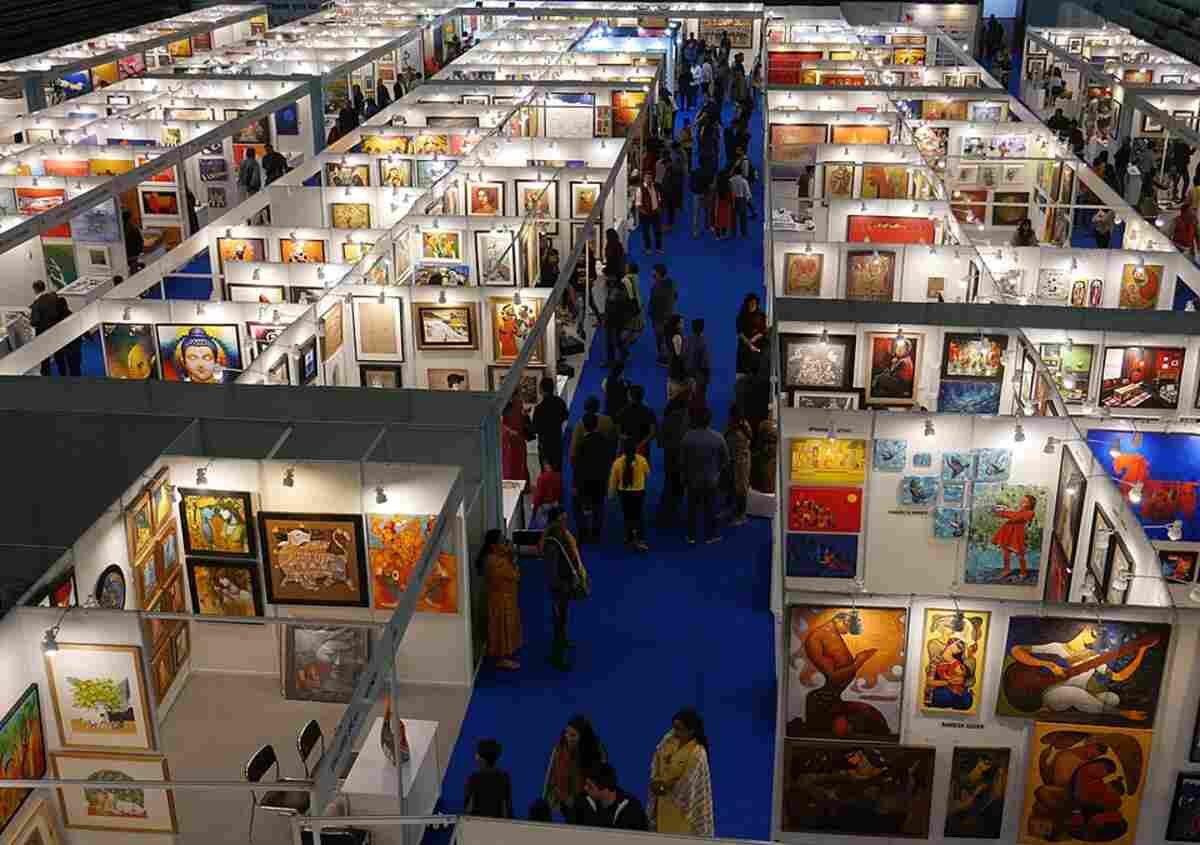
Halfway through the year, Hyderabad becomes a magnet for art enthusiasts and collectors as it hosts the India Art Fair at Kings Kohinoor Convention, Mehdipatnam. The curated expo showcases a diverse spectrum of paintings, sculptures, installations, and mixed media creations from Asia’s most gifted artists—from the works of modern masters such as F.N. Souza and Somnath Hore to versatile talent like T. Venkanna and Priyanka Aelay. A jamboree of colours, textures, and perspectives, the festival offers the rare opportunity to engage directly with artists and their creative processes. India Art Fair, which also takes place in other major Indian metropolises, is still a great reason to embrace the city’s year-long surfeit of history, art, and culture. Grab a front-row seat at the nearby Golconda Fort for an evening multimedia show, or admire the intricate minarets of the onion-domed Qutb Sahi tombs. Whether you find joy in the molten sunsets of Himayat Sagar Lake or grease-kissed food walks near the iconic Charminar, Hyderabad will send you home with a full heart.
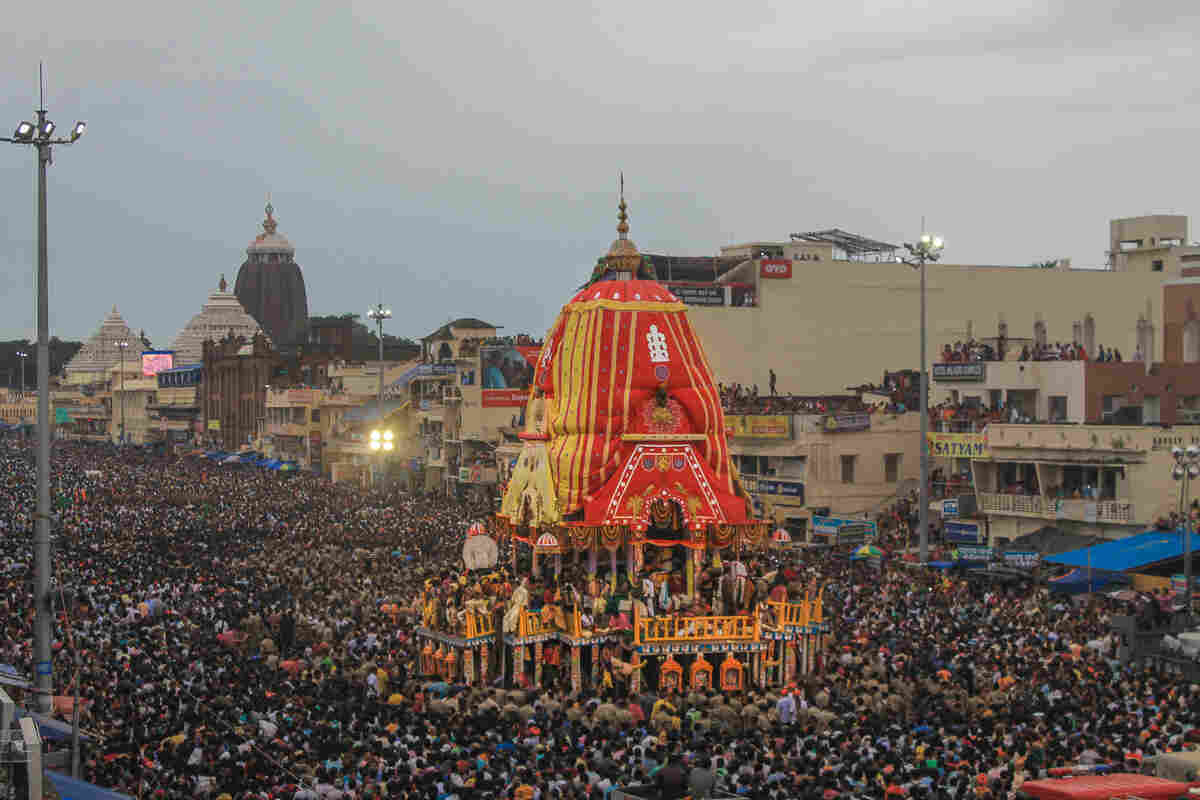
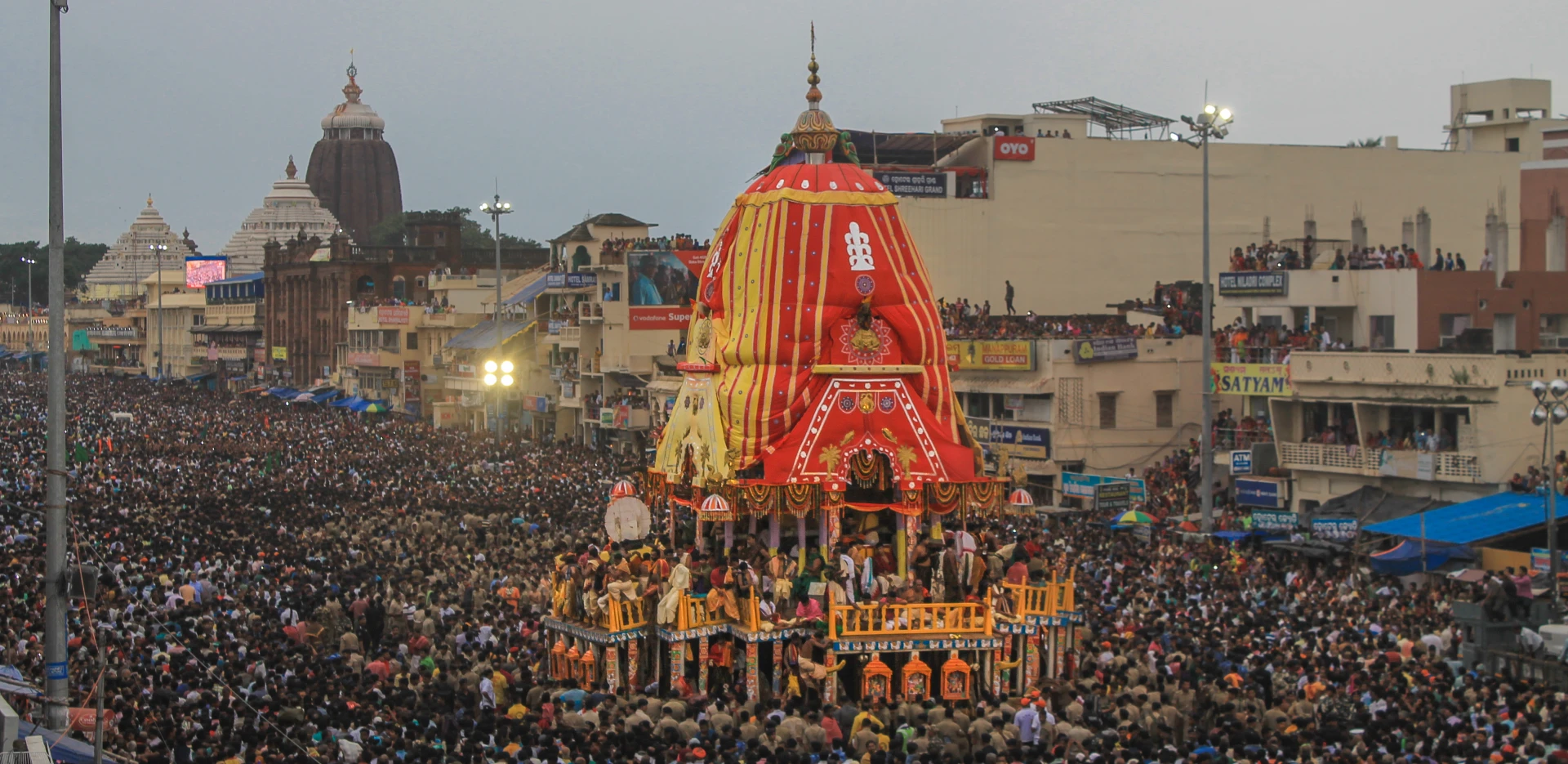
Every July, the coastal town of Puri swells with devotion as the world’s oldest chariot procession—the Jagannath Puri Rath Yatra—rolls through its streets. Described in ancient sacred texts, the nine-day festival sees Lord Jagannath, his brother Balabhadra or Balaram, and sister Subhadra journey in towering wooden chariots, pulled by devotees in an act of collective faith. Pilgrims from across the globe gather for a glimpse of the ‘Lord of the Universe’, his hypnotic, round eyes said to shower boundless compassion. Odisha gleams during this time: watch daybreak unfurl at Golden Beach, then head to the Jagannath Temple for the chappan bhog, a lavish 56-dish offering cooked traditionally in earthen pots over wood fires. Wander local bazaars for Sambalpuri ikkat saris and Pattachitra paintings made with natural pigments. Don’t leave town without indulging in some syrup-soaked khaja, cooling dahibara aloo dum, beachside fish fry, and of course, poda pitha, a charred-base rice & jaggery cake said to be the Lord’s favourite. Legend says it always rains on the first day of the yatra. So when those first heavenly drops touch your forehead, you’ll know—you are exactly where you’re meant to be.
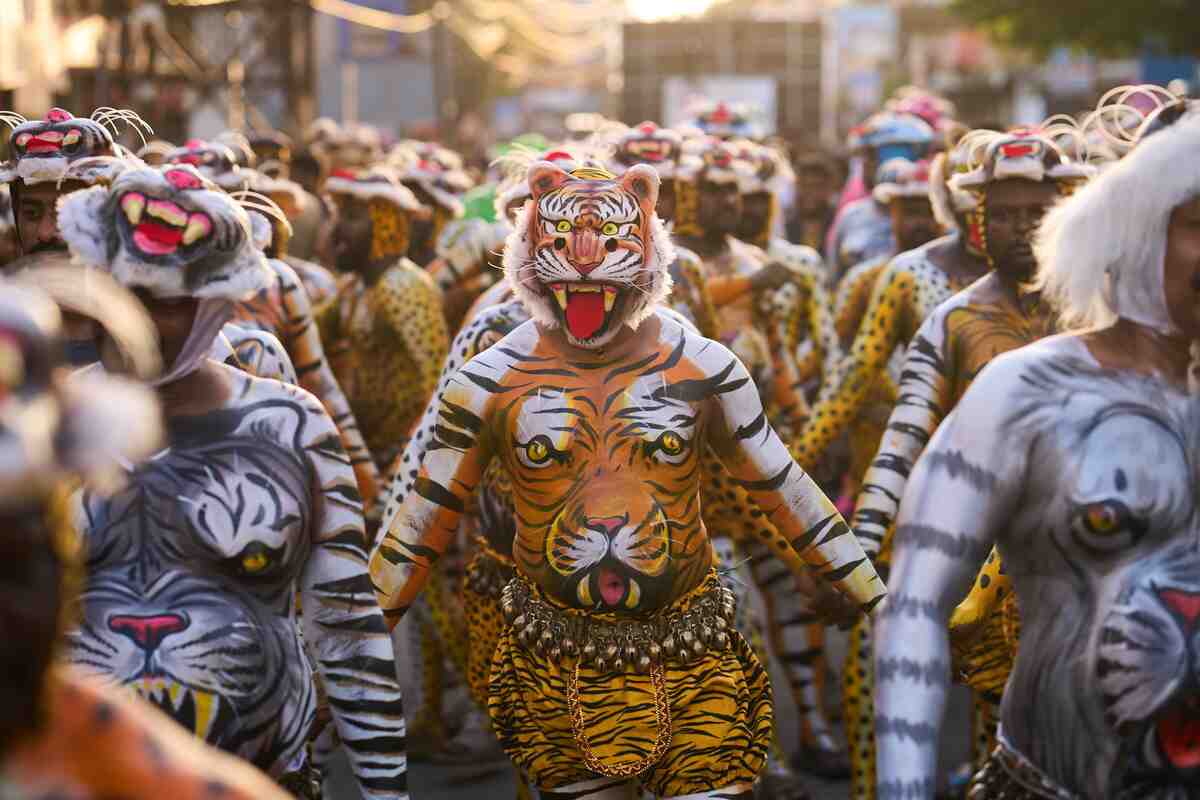
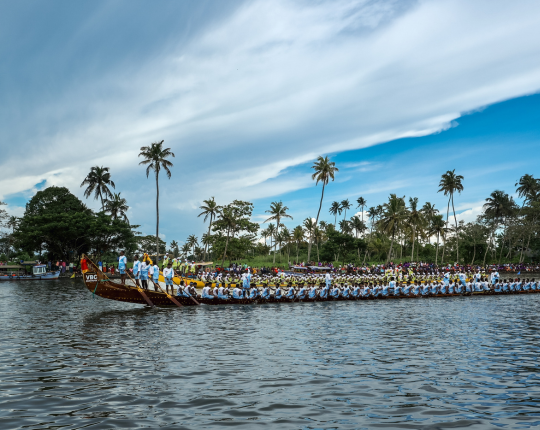
As August draws to a close, Kerala begins to simmer with excitement for its grandest celebration—Onam. A quick drive from Kochi takes you to Tripunithura, the former capital of the Kingdom of Cochin, where the Athachamayam Parade announces the start of the festivities. Historically, the Maharaja of Cochin led this majestic procession to grant his subjects the rare honour of meeting him at close quarters. At present, this parade is an extravaganza of cultural performances. Along packed lanes, drums pound, elephants sway and gleam with gold ornaments, and gods walk the streets as artistes dressed in dazzling costumes invoke the divine. Pulikali performers mimicking crouching tigers and preying hunters shake their painted bellies and vibrant tableaux glide past as the parade journeys from Attam Nagar to Hill Palace. The lucky ones witnessing the spectacle know that they are, at last, in ‘God’s Own Country’.
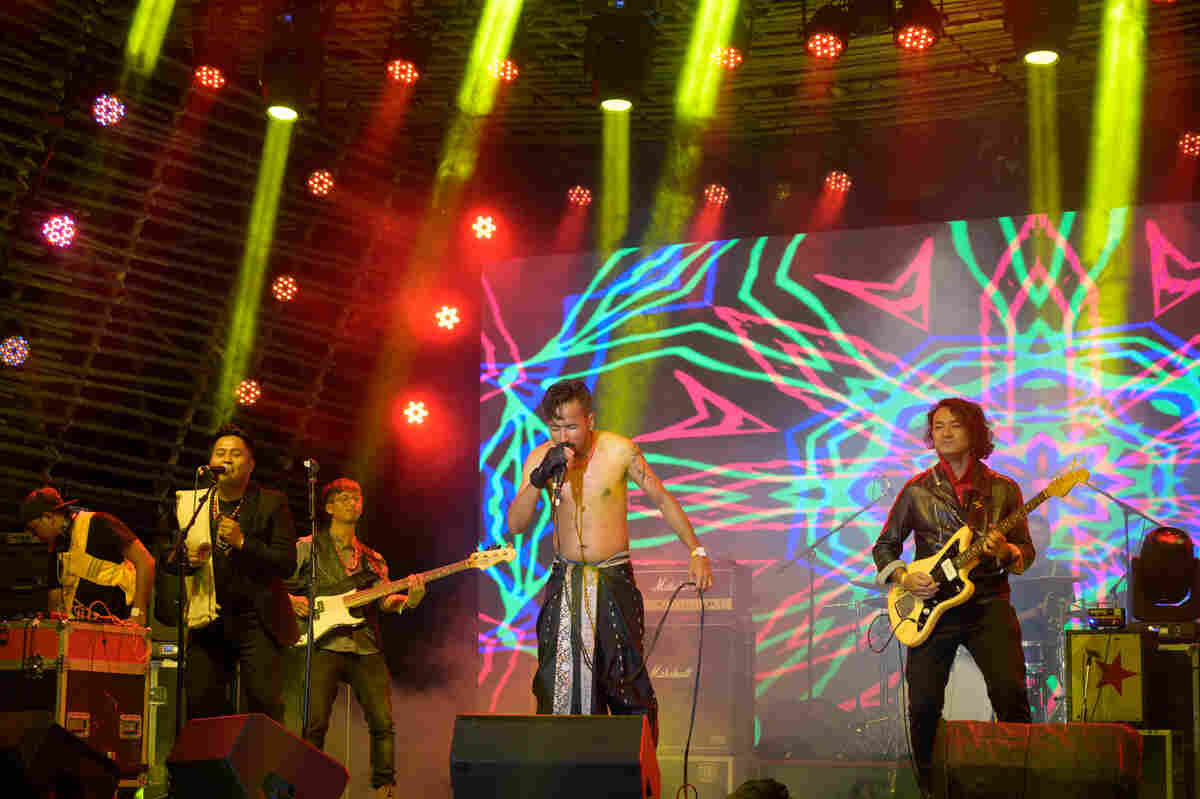
Wake me up when September… begins! It is the crisp air of the ninth calendar month that turns Arunachal Pradesh’s Ziro Valley into a melodious wonderland with the much-awaited Ziro Music Festival. Set in the home turf of the culturally rich and distinctive Apatani tribe, the valley is circled by endless paddy fields that add to its reflective magic. The four-night festival blends soulful music performances with the raw beauty of Arunachal’s stunning landscapes. Global artists, independent or established, share stage with local musicians, creating a cultural exchange that feels both intimate and expansive. A host of unique workshops offer stargazing, flute-making, and improv theatre sessions as takeaway memories, while plastic-free initiatives, bamboo stages, and organic food stalls reflect the festival’s green spirit.
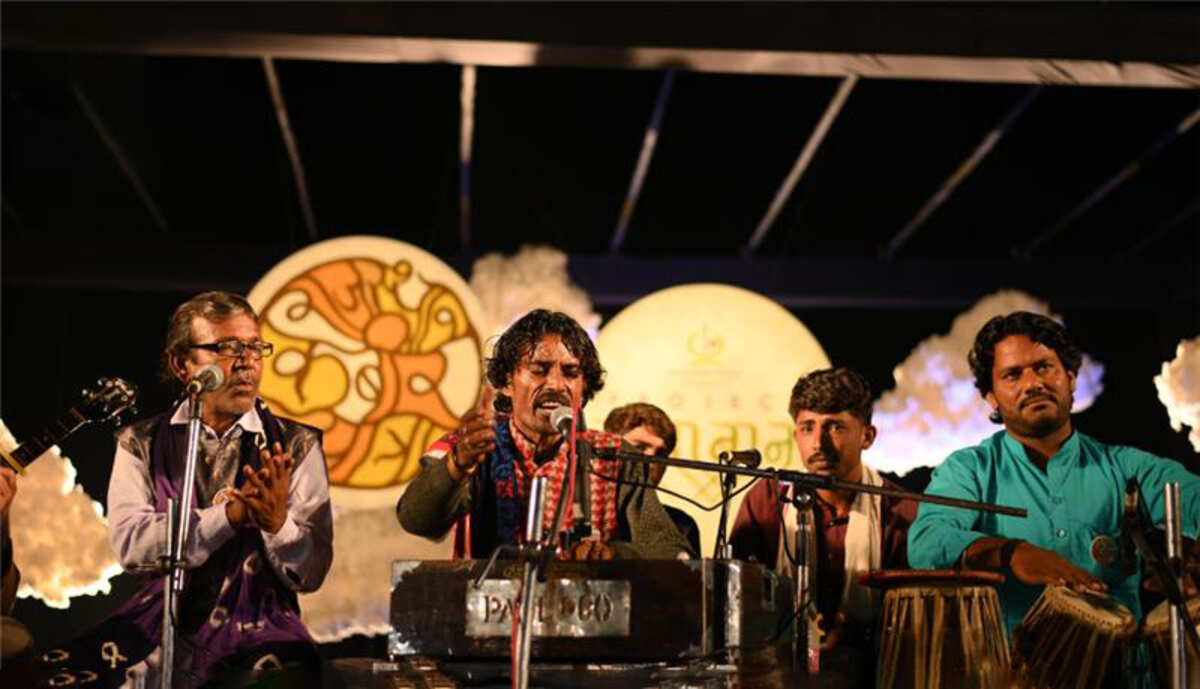
“Where words fail, the sound of the flute speaks; listen, and the soul will dance.” Kabir’s words capture the spirit of the Rajasthan Kabir Yatra—a nomadic musical pilgrimage that journeys through towns and villages across India’s largest state. Here, participants become yatris—fellow seekers—travelling together in devotion, celebrating the poetry and philosophy of mystic saints. Inspired by Bhakti and Sufi figures such as Kabir, Meera, and Bulleh Shah, voices rise in unison, carried by artists who interpret age-old verses through folk, acoustic, and even electronic renditions. The unique movement was conceptualised by Bikaner-based society ‘Lokayan’, which focuses on preserving the creative and cultural heritage of Rajasthan. Artists like Parvathy Baul, Shabnam Virmani, Kabir Café, and Mir Mukhtiyar Ali have previously been a part of the journey that moves like a caravan across ancient forts, desolate lakesides, and open desert skies.
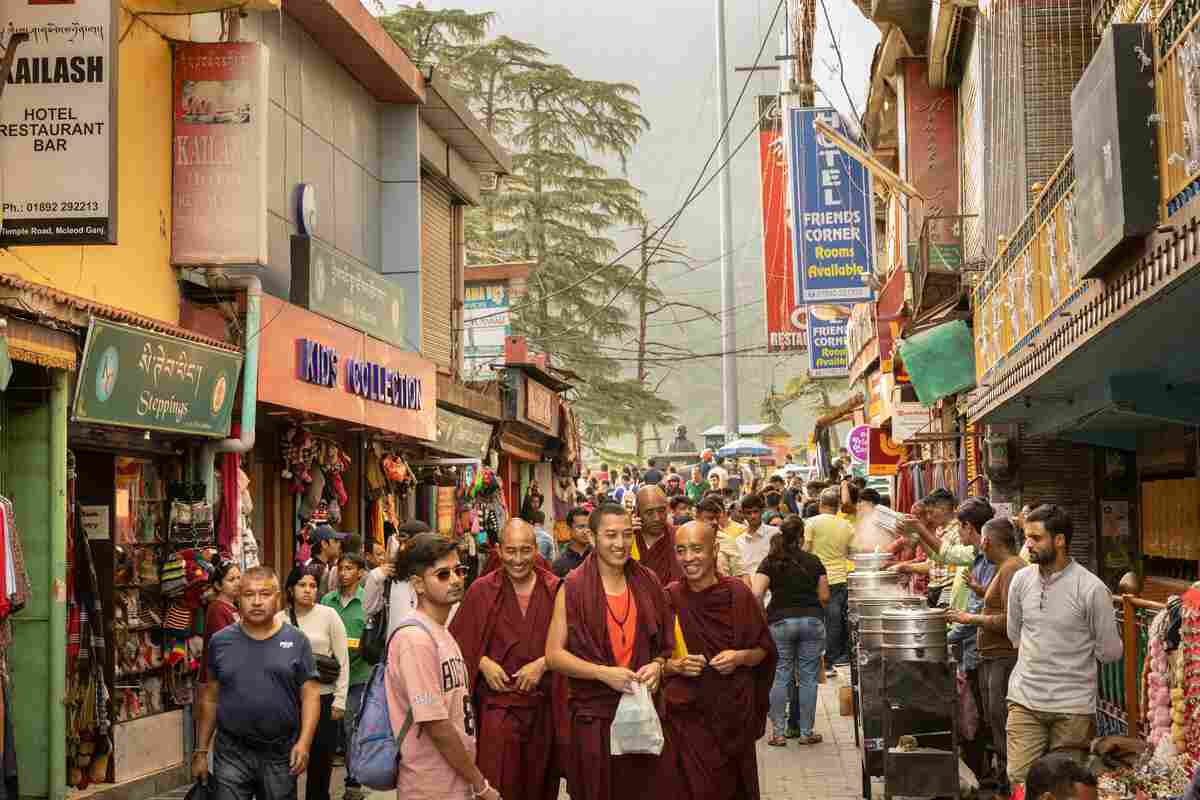
Every November, the hill town of McLeod Ganj transforms into a cinephile’s sanctuary, courtesy of the Dharamshala International Film Festival (DIFF). Nestled in a scenic suburb amid the Dhauladhar ranges, this independent film festival was founded in 2012 by filmmakers Ritu Sarin and Tenzing Sonam. Its aim–to bring storytellers and cinephiles together for the love of meaningful cinema, rooted in the mountains yet open to the world. 13 years on, it continues to champion cutting-edge documentaries, shorts, and feature films, while also creating space for dialogue, workshops, and masterclasses. Over the years, DIFF has welcomed visionaries like Adil Hussain, Mira Nair, and Vishal Bhardwaj amongst others, offering film buffs a rare opportunity to interact with the giants. Between screenings, wander through Tibetan markets, slurp on steaming bowls of thukpa, or walk forest trails that open up to sweeping mountain vistas.
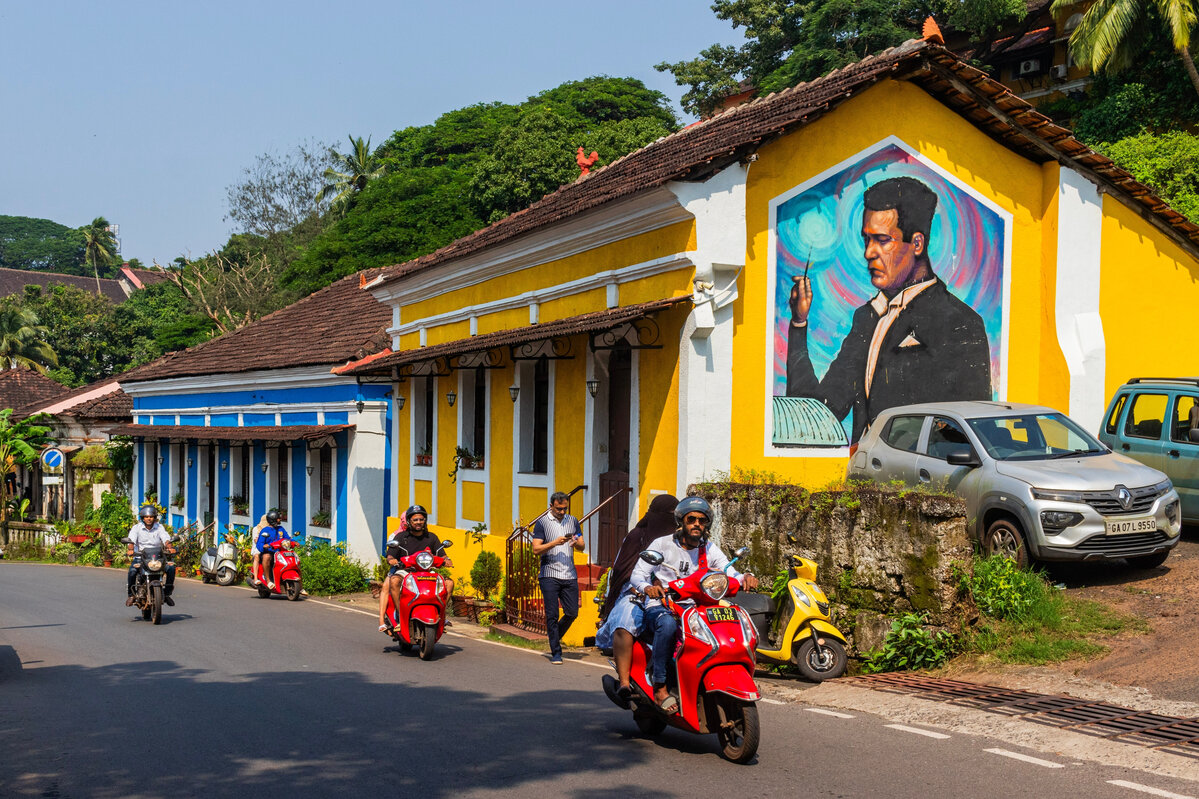
December offers the perfect finale for an art lover’s calendar, offering two spectacular festivals at opposite ends of the country—each unique in spirit.
In Goa, the Serendipity Arts Festival turns Panjim’s riverfront into a dynamic hub of creativity. Typically unfolding over 10-12 days each December, the festival has, since 2016, woven contemporary visual art, experimental theatre, music, food, and craft into the city’s winter fabric. Installations appear inside old Portuguese-era buildings, performances spill into open courtyards, and conversations stretch long after the sun sets over the Mandovi River. At Serendipity, art is experienced in fragments–between walks, meals, and gatherings, as time slows down and the quintessential Goan ease takes over.
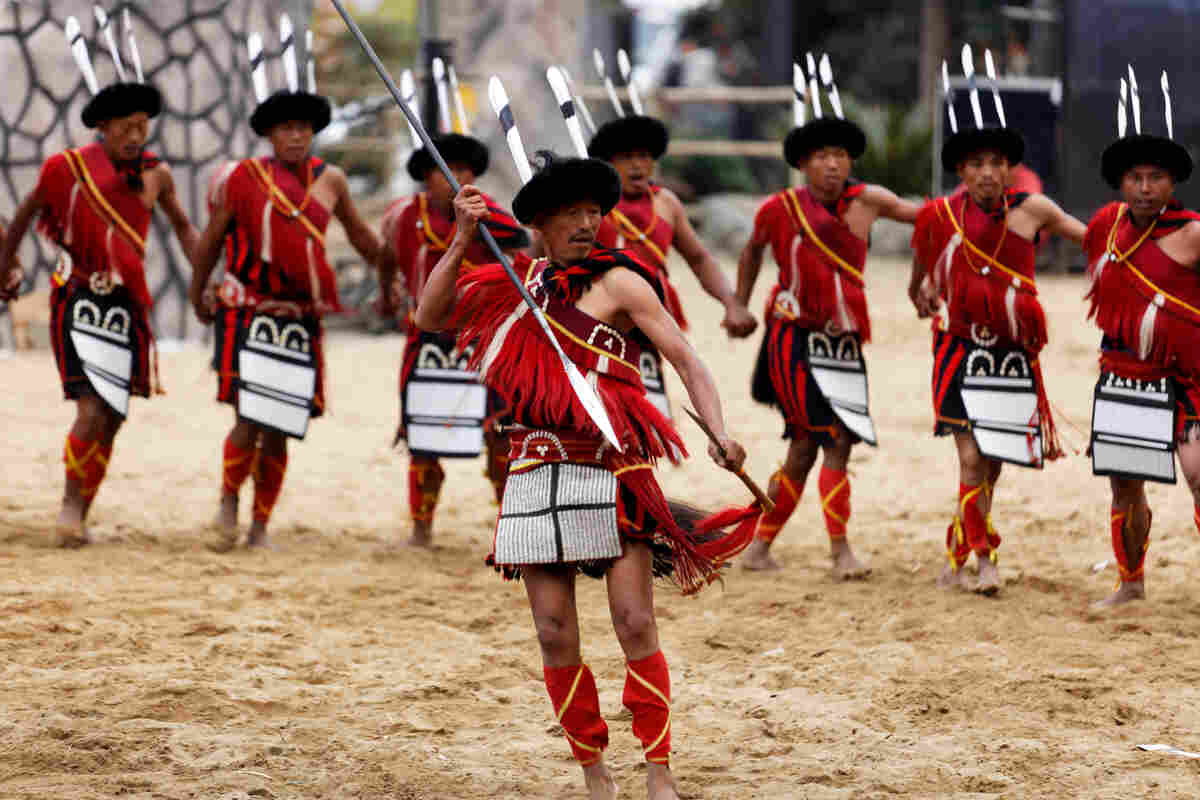
Miles away in the Northeast, Nagaland celebrates its tribal heritage through the Hornbill Festival—a mirror to the indigenous cultures of the many tribes that inhabit the state. Named after the hornbill, a bird revered in Naga folklore, the 10-day ‘Festival of Festivals’ showcases traditional dances, warrior re-enactments, folk music, artisanal craftwork, and authentic regional cuisine. Framed by Kohima’s emerald hills, it offers a chance to sample local treats like boiled silkworms, fried bamboo shoot, and the raja mircha chutney—packing a punch with the notorious Naga king chilli. Hornbill is both a living archive of traditions and a jubilant stage for dance, music, and feasting, where the wild heart of Nagaland conspires to set you free.
Mahindra Holidays & Resorts India Ltd. (MHRIL), a part of Leisure and Hospitality sector of the Mahindra Group, offers quality family holidays primarily through vacation ownership memberships and brings to the industry values such as reliability, trust and customer satisfaction. Started in 1996, the company's flagship brand ‘Club Mahindra’, today has over 300,000 members , who can holiday at 140+ resorts in India and abroad.