

February 16, 2026
Sacred Trails: 6 Spiritual Escapes across India

CM Content Team
Update on : 25 February, 2026, 12:14 pm
February 16, 2026
CM Content Team
Spirituality in India is rarely a solo journey. From riverside aartis and the stillness of mountain monasteries to the overlapping melodies of church choirs and azaan, the joy of a transcendent experience acquires a richer texture in memory when shared. Between the faithful, the curious, and the questioning, the journey becomes the communion—split willingly with your soul people.
Whether your idea of spiritual cleanse lies in the crisp air of Sikkim or the electric frenzy of a temple town like Varanasi, these sacred trails across India will tap into the country’s soul, and hopefully yours too.
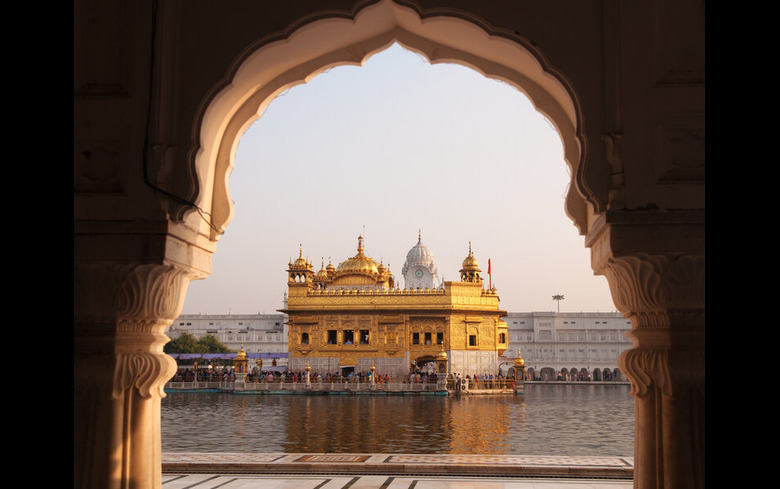
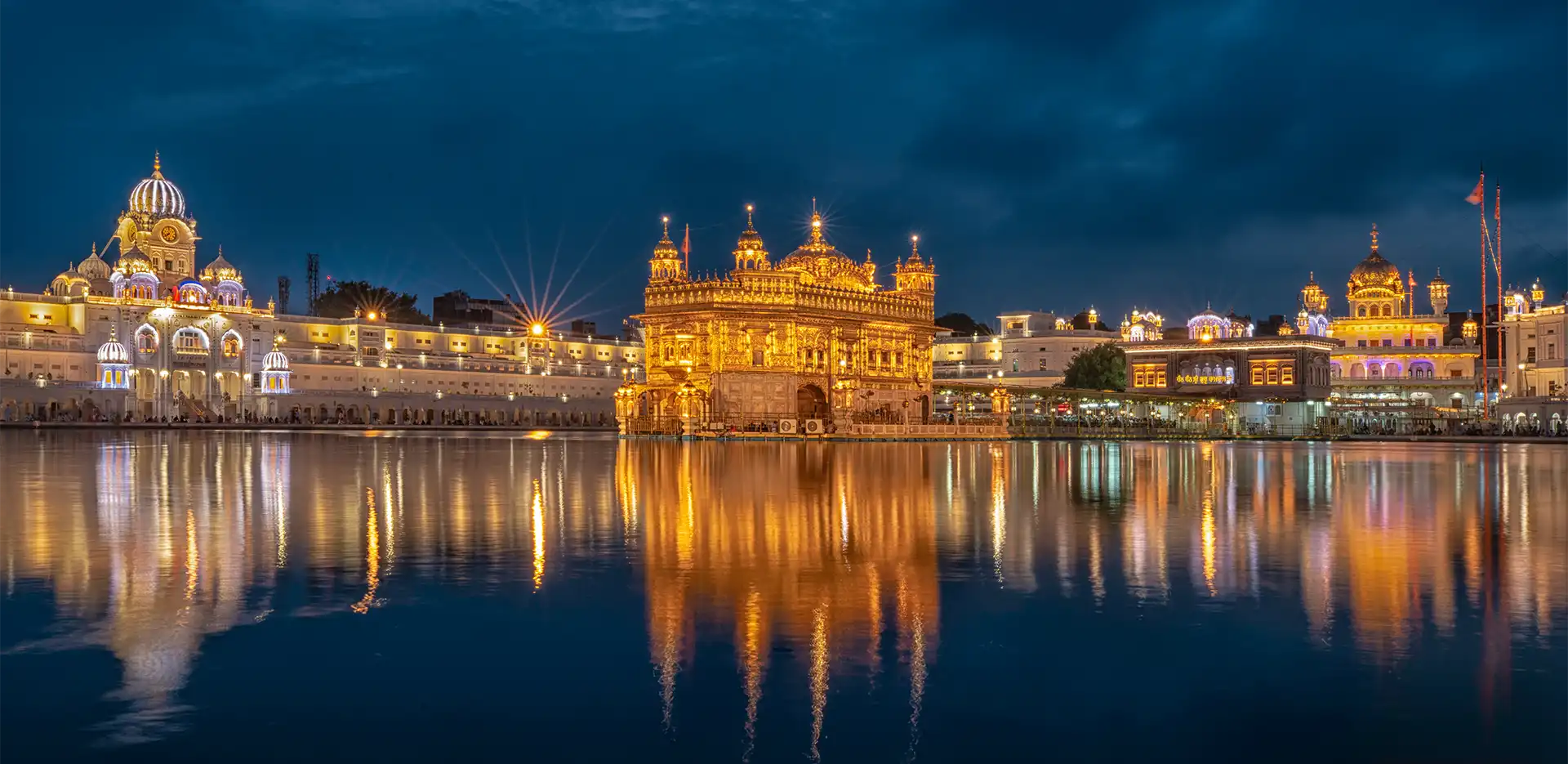
The Harmandir Sahib presides over the Amrit Sarovar like a geometric dream, gold-plated domes reflected on still waters, its four entrances carrying a visual message of openness and equality. Founded in 1604, Sikhism's holiest shrine operates on a radical premise: no hierarchy exists between seekers. Watch how the marble causeway democratises devotion—farmers and ministers walk barefoot side by side, heads covered, toward the Guru Granth Sahib's continual recitation.
The langar here feeds around 100,000 people daily, with free meals prepared by volunteers and served seated on the floor, erasing caste and class. The rhythmic slap of roti on hot tawas, the stirring of massive kadhais filled with dal, the systematic washing of thousands of steel plates: here spirituality expressed through service. At night, the Palki Sahib ceremony carries the holy book to rest while the temple glows like a celestial orb against an inky sky. Take a moment to marvel at how the karah prasad's warm sweetness feels like a cure for almost anything.
For an unhurried experience, park yourself in Fortune Ranjit Vihar at Ranjit Avenue. The Club Mahindra Associate Resort is a short drive from the Golden Temple, so you can return at dawn for the first prayers or linger late at night when the shrine is at its most peaceful.
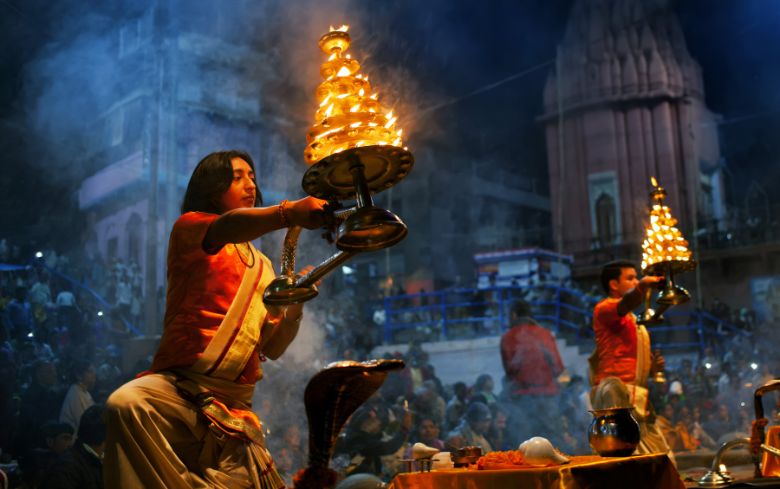
Varanasi, Benaras, or the erstwhile Kashi, is a land untethered to time. Said to be among the oldest living cities in the world, it has served as the seat of India's spiritual and cultural renaissance across centuries. Between the hum of daily rituals, discover the ancient lores of the land said to be the earthly abode of Shiva and Parvati. Fundamental to the evolution of Hinduism, Buddhism, and Jainism, the holy ghats of Varanasi are said to have the power to free our mortal vessels from the cycle of birth and rebirth.
Not everything is existential in Varanasi, unless the tongue-tickling tamatar chaat and those creamy kulhads of malaiyo cause a bonus spiritual awakening. Here, in the land of Nandi and horn-swinging alley bulls, the ancient and the everyday coexist, reminding you that life flows on.
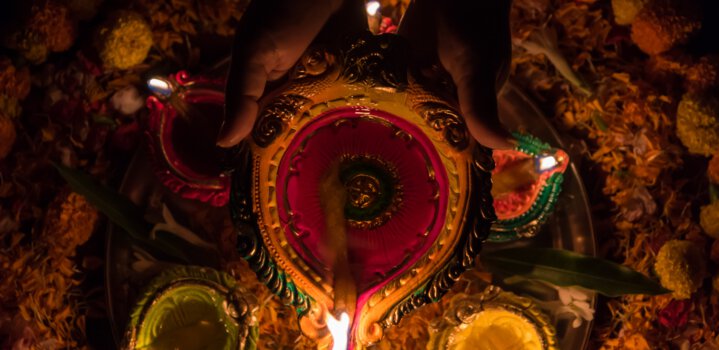
Forfeit a wager on your sense of direction as you walk its ribbon lanes, thick with infused smells of incense, woodsmoke, cow dung, garlands, and desi pasta from that cafe run by the European backpacker who travelled far in search of salvation and never quite left. By now you know, Varanasi is not for the faint of heart. It is a celebration of all things sensory, as satiating as it is overwhelming. Come evening, the main ghat of Dashashwamedh hosts the Ganga aarti, a synchronised spectacle of swinging brass lamps and rhythmic chants, as diyas set sail on water like brilliant will-o-wisps.
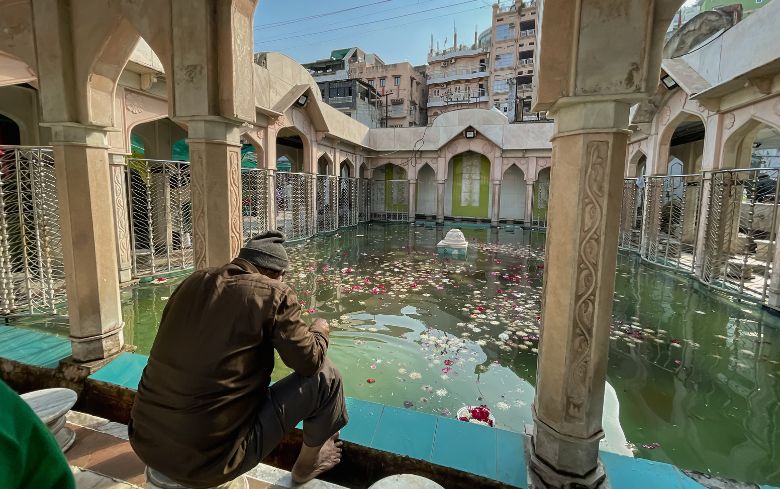
In Rajasthan’s scrubland heart, the dargah of Khwaja Moinuddin Chishti has welcomed seekers since the 13th century—drawn time and again by the Sufi path of love over law. The approach through Ajmer’s bazaar trades in roses. Vendors sell them by the kilo, petals destined to cover the saint’s marble tomb inside the jharokha-adorned shrine. Qawwals sing on Thursday evenings, their voices climbing octaves in spiritual ecstasy as their words, mostly Urdu poetry, speak of divine union.
The architecture blends Mughal grandeur with Rajput sensibility: the hulking gateway of the Buland Darwaza; Shahjahani Masjid’s Persian inscriptions; the massive deghs or cauldrons gifted by Akbar, where rice and sweet kheer are cooked during the Urs festival. Here, the concept of barakat, or divine blessing, manifests through the practice of mannat, in which pilgrims tie threads to the marble screens and return when prayers are answered. The dargah feeds thousands daily through the tradition of langar, continuing the Chishti order’s commitment to hospitality that transcends religious boundaries. For a quieter retreat after the sensory rush of Ajmer’s lanes, consider staying at Hotel Pushkar Fort Ajmer Resort, a Club Mahindra Associate Resort that offers space to reflect on the epiphanies of Ajmer Sharif.
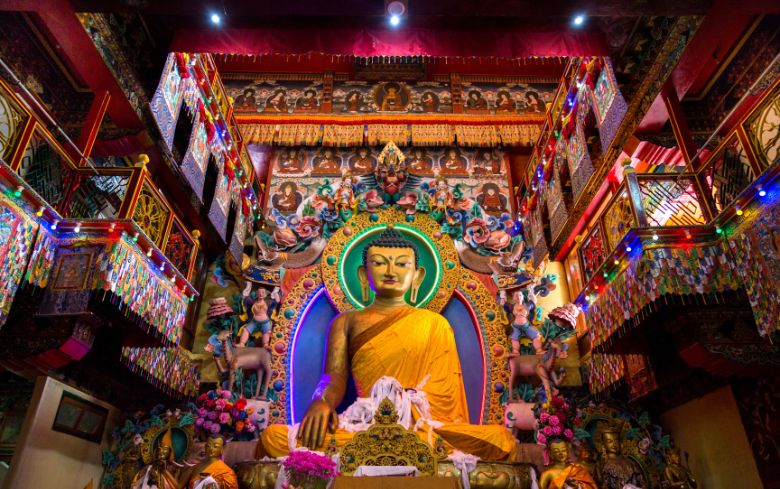
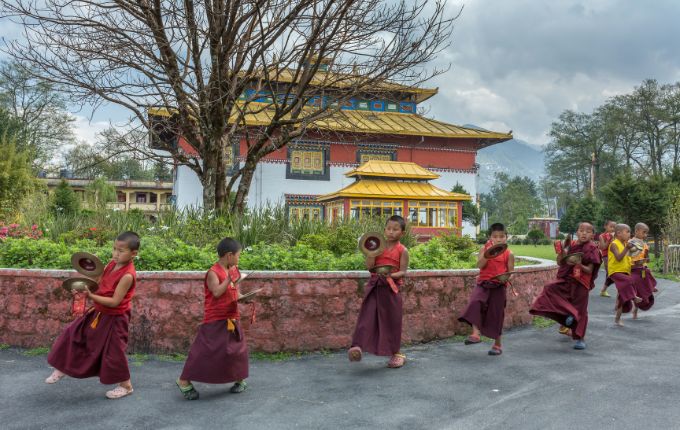
At 3,048 metres, Arunachal Pradesh’s Tawang Gompa commands the valley like a gilded vision in crimson and gold. Built in 1680, India’s largest Buddhist monastery is also the birthplace of the sixth Dalai Lama. The monastery houses 450 monks whose days begin at 4 am with prayer horns echoing through the Himalayan air. Its three-storey assembly hall houses a towering golden Buddha, while the library preserves Kangyur manuscripts, along with stunning thangka paintings that borrow their pigments from crushed minerals.
Walk the monastery’s circumambulation path, where prayer wheels spin at the speed of whispered wishes, each rotation believed to release mantras into the wind. The air here smells of butter lamps and juniper incense. On these holy grounds, local Monpa tribal culture blends with Tibetan Buddhism, evident in the masked dance rituals of the annual Torgya festival, depicting the triumph of good over evil. Winter sees the monastery blanketed in snow, with roads often closed from November through March. Plan visits between April and October when rhododendrons set the surrounding hills ablaze. The nearby Pankang Teng Tso lake, sacred in local belief, mirrors clouds that seem within reach.
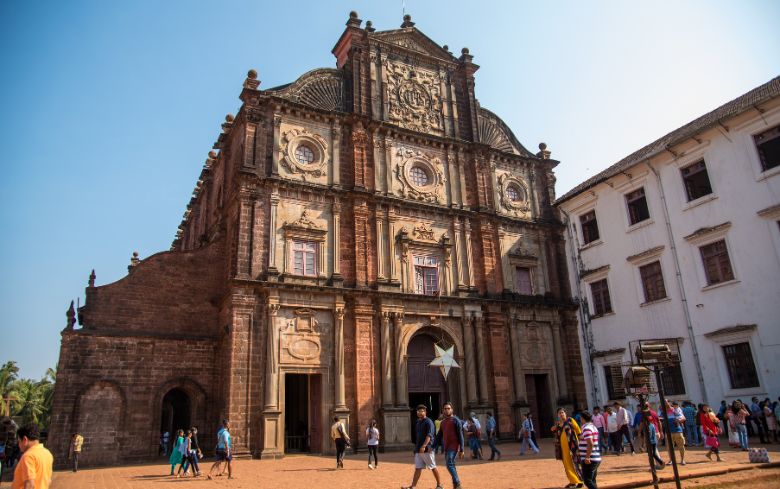
Once the Portuguese empire’s eastern capital, Old Goa preserves Christianity’s 16th-century footprint in laterite and plaster. The Basilica of Bom Jesus, a UNESCO World Heritage Site, holds St. Francis Xavier’s incorrupt body in a silver casket, drawing devotees who believe the Jesuit missionary’s remains hold healing power. Its facade exemplifies Baroque restraint, with Doric and Corinthian columns framing the entrance, the interior’s gilded altarpiece glowing against whitewashed walls.
Walk between these monuments of conquest and faith—Se Cathedral, one of Asia’s largest churches, where a single surviving bell, the Golden Bell, reverberates through the tropical air. At St. Cajetan’s Church, modelled on St. Peter’s Basilica in Rome, Corinthian architecture meets palm-fringed courtyards. The Church of St. Francis of Assisi now houses an archaeological museum, its walls painted with floral motifs that blend European and local artistic traditions. Wedged between November and February, Goa’s dry season is ideal for this trail, with Club Mahindra Varca and Club Mahindra Acacia Palms offering ample coastal downtime after your spiritual quest.
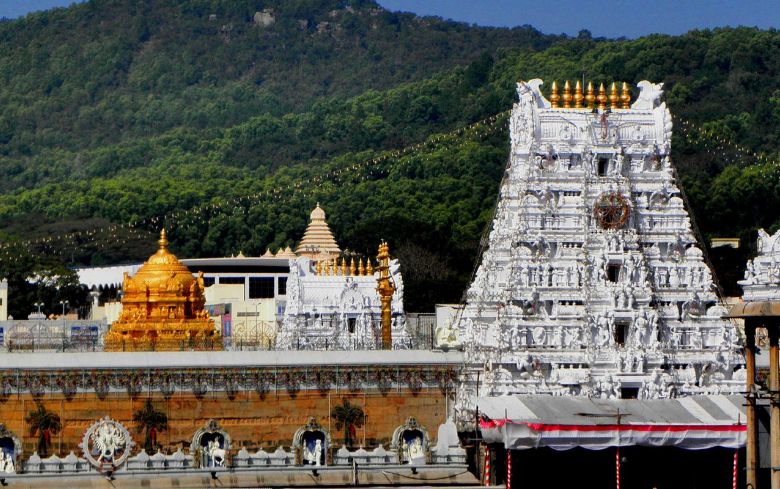
The seven hills of Tirumala hold Lord Venkateswara’s temple, among the world’s most visited pilgrimage sites, welcoming around 60,000 believers daily. Beneath the deluge of devotees lies a culture of offering. Pilgrims climb 3,550 steps or navigate hairpin roads, many carrying coconuts to break at the temple—their white flesh an offering, their water a libation. The temple’s Vaikunta Ekadasi festival in December-January sees an ocean of pilgrims converge, their chants creating an acoustic symphony.
Yet Tirupati’s spiritual flavour extends beyond the darshan. The temple’s laddu prasadam—the saffron-scented, ghee-rich sweet prepared in one of the world’s largest kitchen temples—has boasted a Geographic Indication (GI) tag since 2009. The Tirumala Tirupati Devasthanams employs 20,000 people, runs hospitals and universities, and has pioneered a model where faith funds welfare. Sample the pulihora temple rice, tangy with tamarind and brightened with cashews, or the tomato chutney that accompanies the free meals served to pilgrims. The surrounding Rayalaseema cuisine–ragi sangati, gongura pickle, and spicy Andhra curries–roots this celestial encounter in earthy flavours that nourish the heart and body.
Mahindra Holidays & Resorts India Ltd. (MHRIL), a part of Leisure and Hospitality sector of the Mahindra Group, offers quality family holidays primarily through vacation ownership memberships and brings to the industry values such as reliability, trust and customer satisfaction. Started in 1996, the company's flagship brand ‘Club Mahindra’, today has over 300,000 members , who can holiday at 140+ resorts in India and abroad.