
May 21, 2026
What’s in a Name: Stories Behind Club Mahindra Resorts

CM Content Team
Update on : 08 June, 2026, 10:12 am
May 21, 2026
CM Content Team
A name is many things. For those who love to travel, it is geography shaped as syllables, history distilled into phonetics, or culture preserved through that unique local twang we won’t be quite able to repeat. Across India, Club Mahindra’s resort names trace invisible maps, connecting brick-and-mortar structures to a larger, more enduring identity—rivers that nourish the land; kings who built around it; forests that shelter their children and legends that define human faith.
From Kerala’s backwaters to rugged Himalayan passes, every Club Mahindra resort draws its name from the place it inhabits. These six origin stories reveal the connection between each resort and its landscape, history, and heritage.
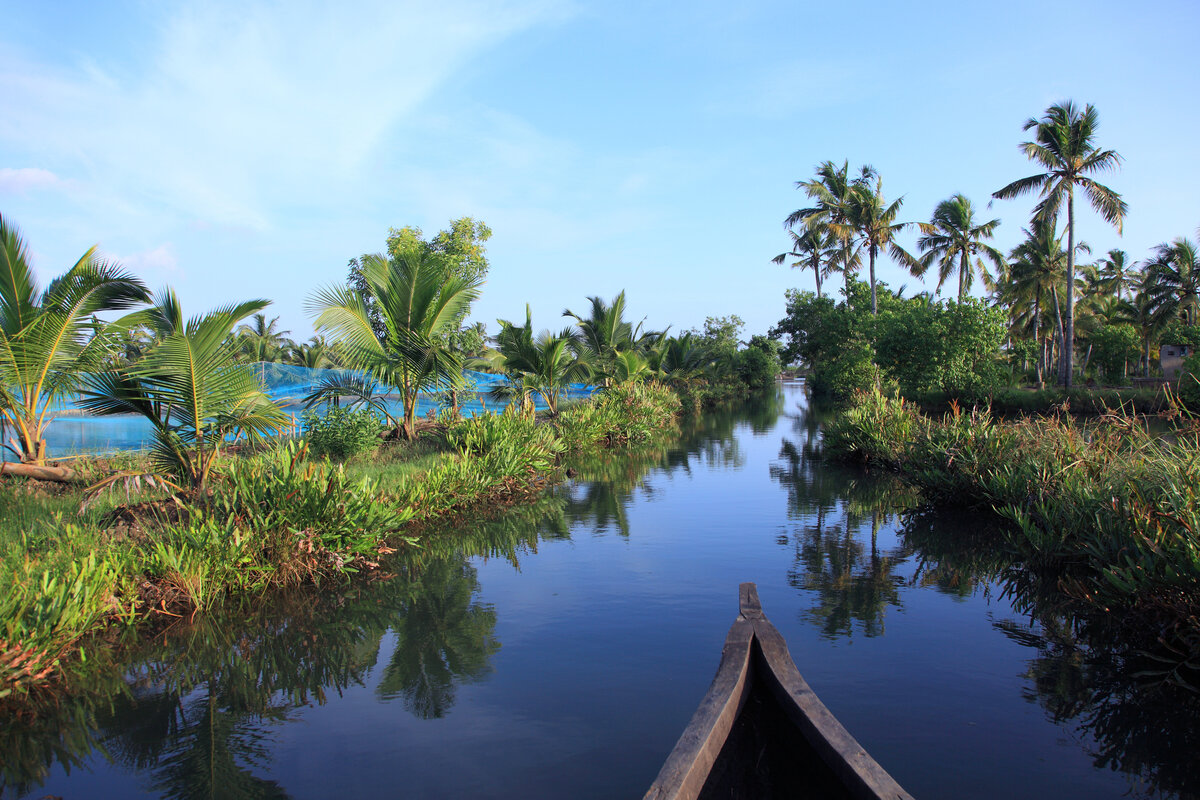
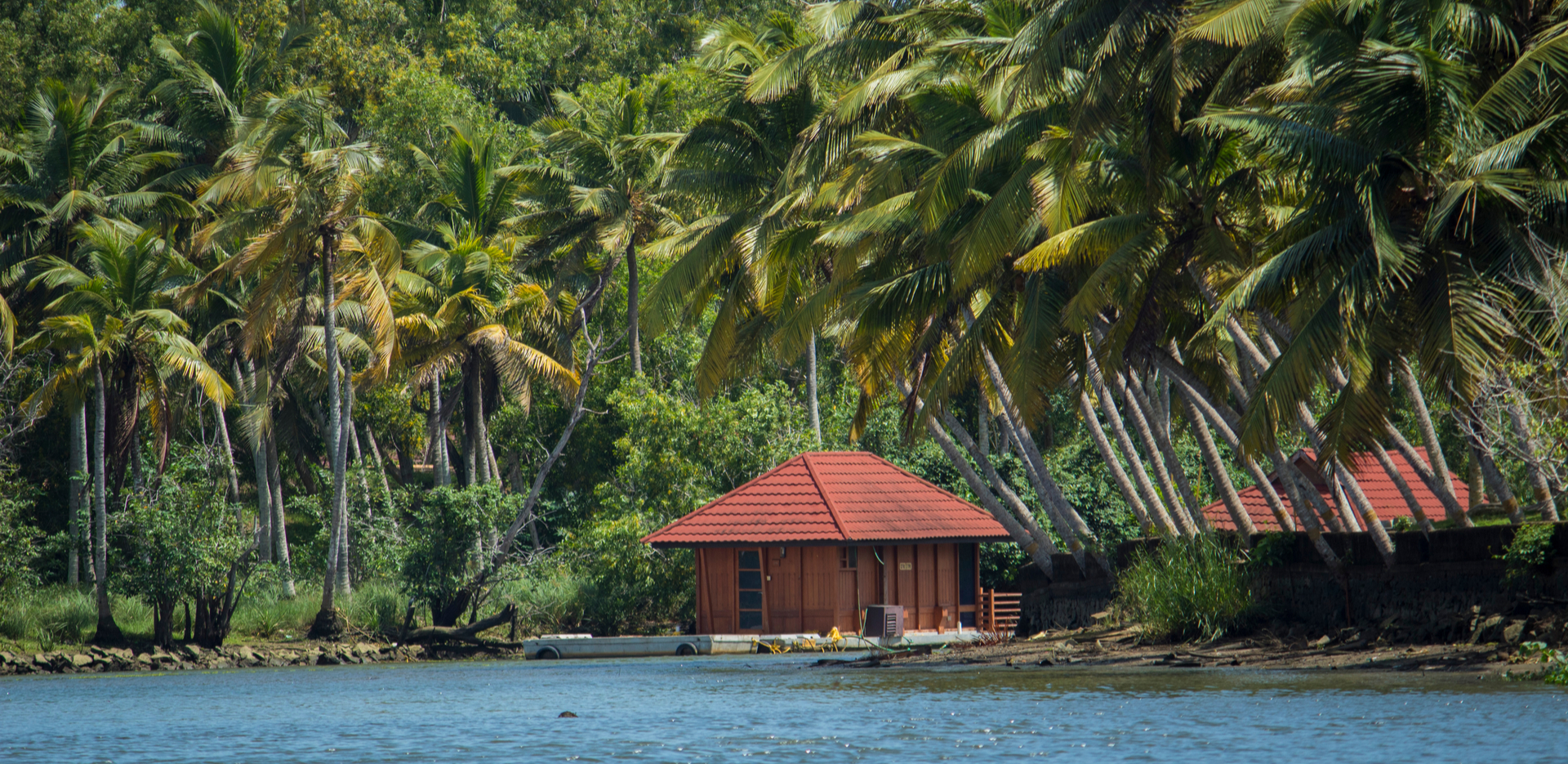
In Malayalam, ‘Ashta’ means eight and ‘mudi’ translates to braids—a fitting name for Ashtamudi Lake, whose eight winding waterways twine across the Kollam district like a braid wound up in criss-cross pattern. Its long arms branch inland, creating Kerala’s second-largest estuarine ecosystem whose mangroves shelter migratory birds and rich aquatic life. In another era, these waterways served as historic trade routes through coastal Kerala.
Club Mahindra Ashtamudi takes its name from this remarkable wetland and blends into the lake’s landscape. Its floating cottages draw from traditional Kerala architecture, set on stilts above the water, where ripples lap against wooden beams and Brahminy kites circle the skies above.
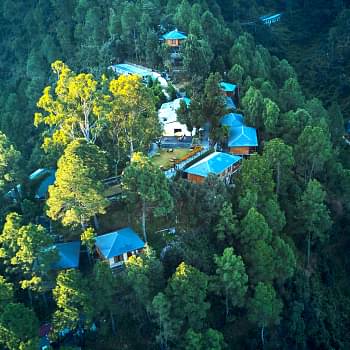
Kandaghat: A Gateway to the Himalayas
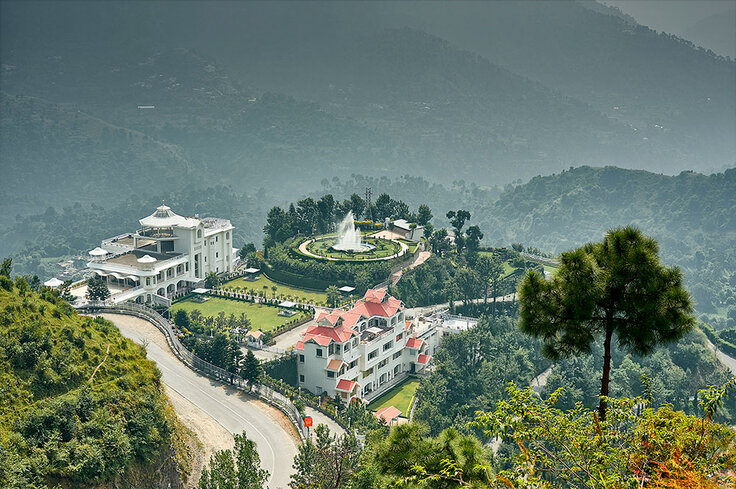
Kandaghat fuses two Hindi words: kanda (hill) and ghat (mountain pass), a name shaped entirely by the landscape it occupies. Here, the lower Shimla hills of Himachal Pradesh rise toward the mighty Himalayas through pine forests, steep bends, and valleys carved by old mountain routes. This unique terrain has always determined how people moved, settled, and travelled through the region, and Club Mahindra Kandaghat embraces its rare cartographic identity.
Tucked between touristy Shimla and the palace town of Chail, the resort serves as a base for exploring the colonial-era charm of the former and the latter’s laidback energy. Mornings here are perfumed with pine resin, while the night brings boundless access to stargazing and folk dances that reprise Himachali traditions. Like a link between the past and present, Club Mahindra Kandaghat continues to uphold the legacy of the ghat: a place for pause, gathering, and cultural exchange.
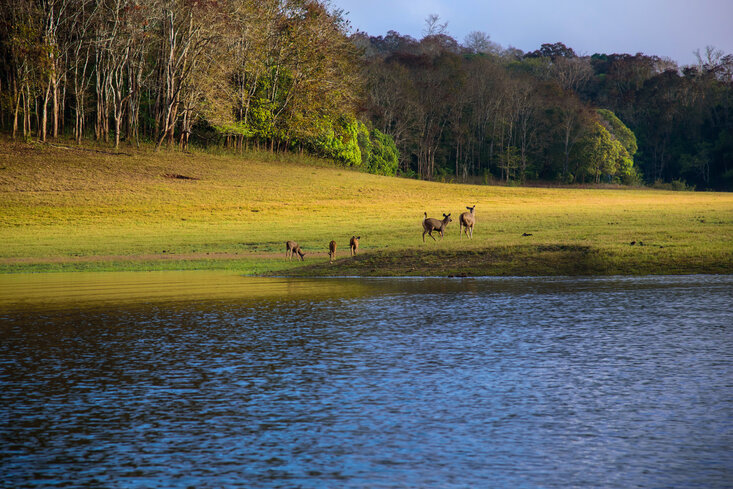
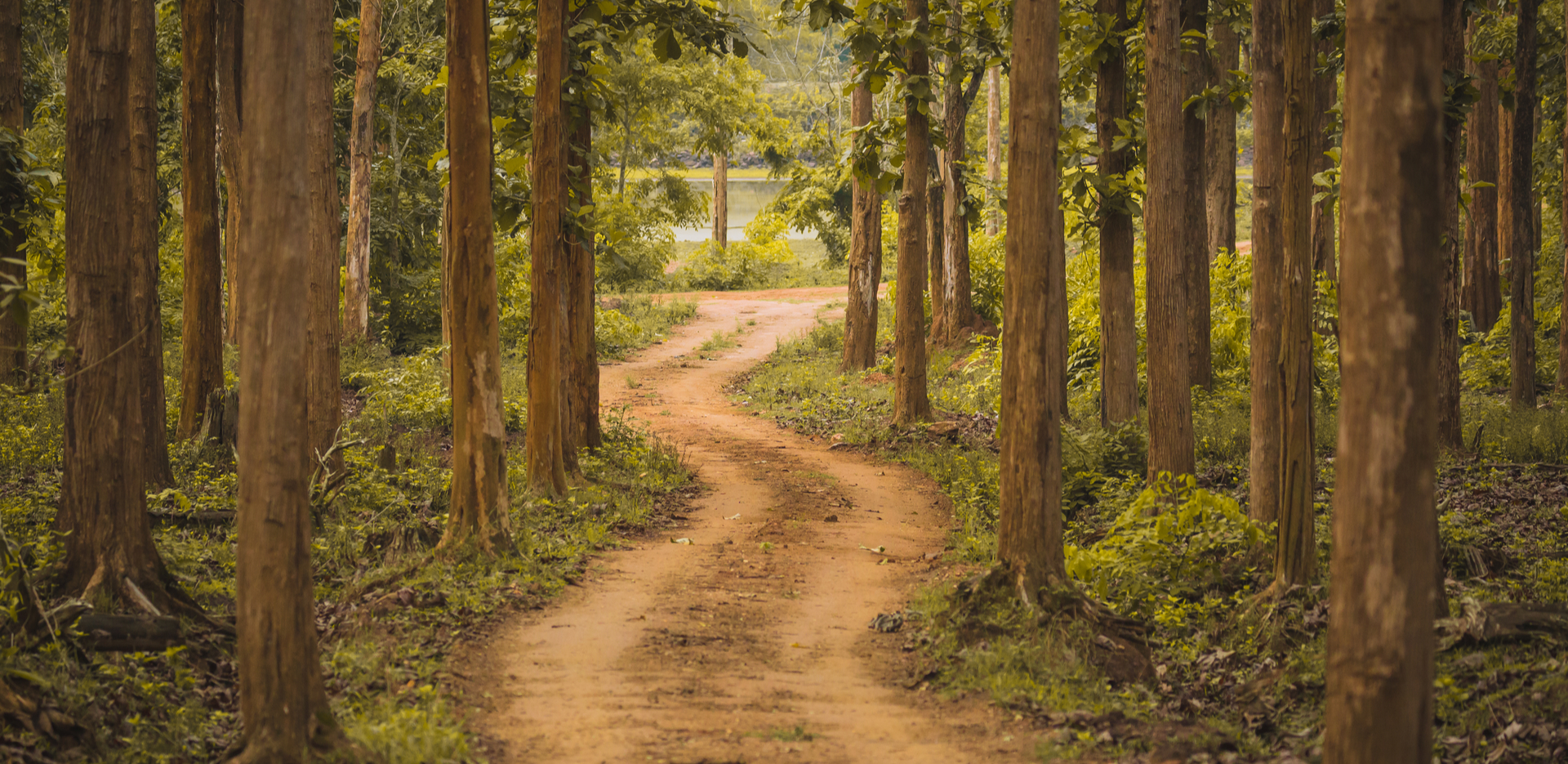
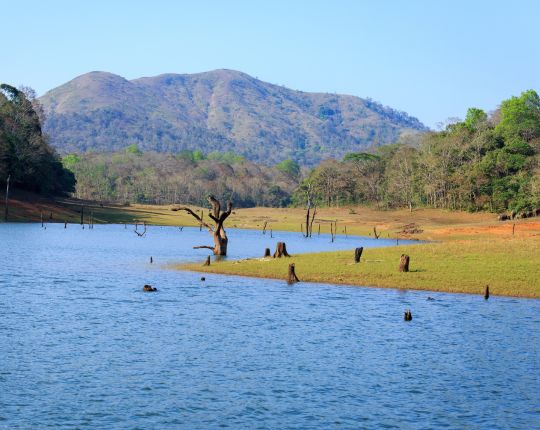
Thekkady is derived from ‘thekku’, the Malayalam word for teak—the towering hardwood trees (Tectona grandis) that have long dominated these dense forests. The name carries the memory of a time when the forests supplied timber for shipbuilding and royal construction under the Travancore kings, shaping the economy and identity of the region. Today, much of Thekkady sits protected within the Periyar Wildlife Sanctuary.
Club Mahindra Thekkady inhabits this centuries-old woodland legacy where over 35 species of mammals roam—wild elephants, tigers, and the endangered Nilgiri tahr. Take a plantation tour to see how coffee and spices now flourish where once only teak groves held sway. Throughout it all, the earthy scent of cardamom drifts through the forest air—a sensory reminder that Thekkady’s identity remains rooted in what grows on its soil.
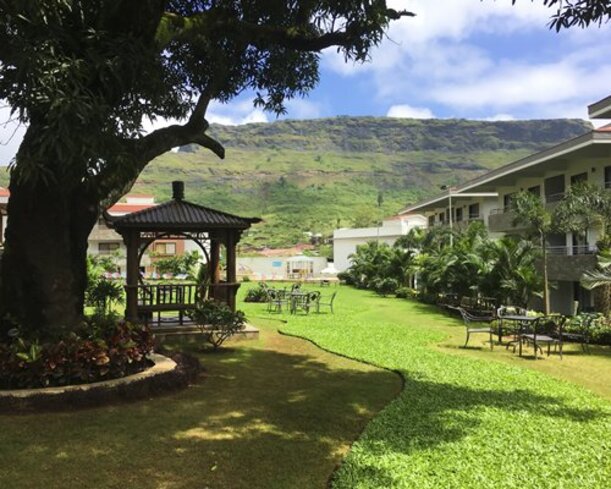
Hatgad takes its name from the historic Hatgad Fort, a hill fort in Maharashtra’s Western Ghats dating back to the 13th century. Once ruled by the Bagul dynasty, it became the bastion of Maratha warrior-king Shivaji in 1663. The fort was famed for its strategic significance: well-placed to control trade routes, high enough for defence vantage, and strong enough to withstand a siege.
Rendered in ruins through the ravages of time, its name lives on through the town that flourished under its protective presence—and the resort that now carries forward its storied legacy.
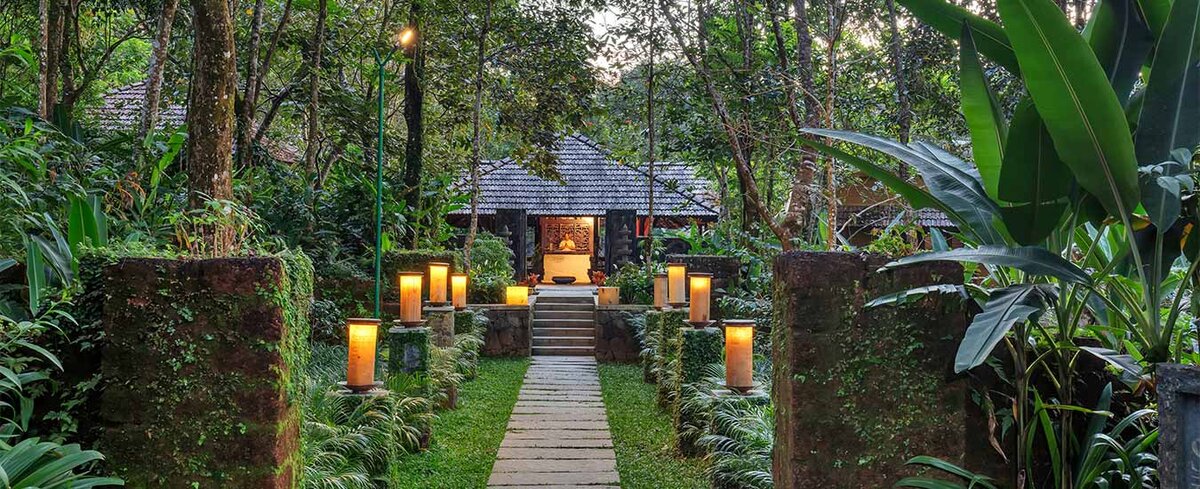
Derived from the phrase ‘Muddu raja keri’—meaning ‘Mudduraja’s town’—Madikeri is named after the Haleri king who ruled Kodagu in the 17th century and established his capital here. In 1681, Mudduraja built the region’s fort, levelling parts of the hillside to create a defensible settlement. During the British era, the town was renamed Mercara, its original name restored only after India’s independence.
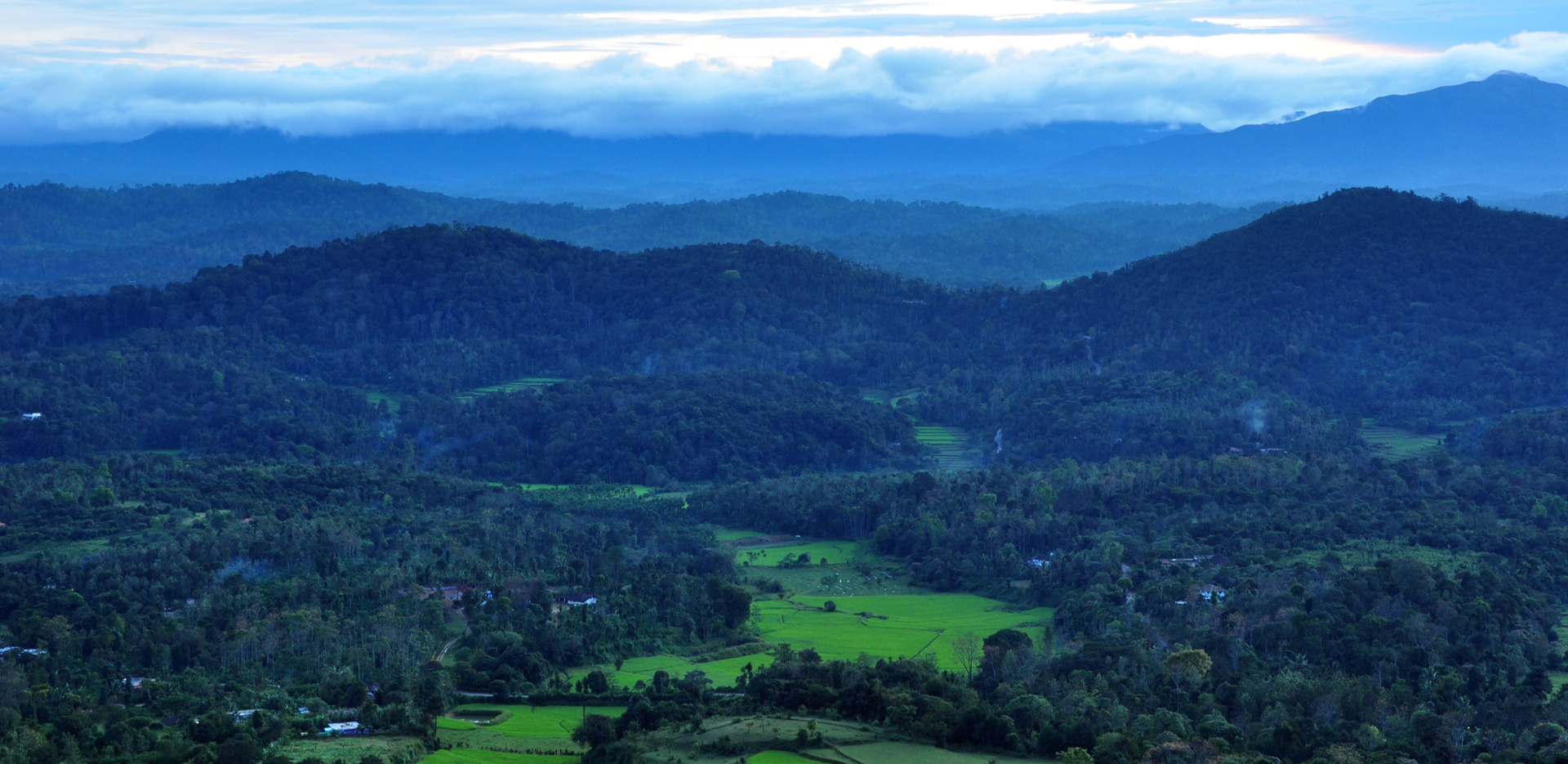
Club Mahindra Madikeri carries forward the region’s royal legacy, though the kingdom is now measured in coffee estates rather than political boundaries. Set within a 33-acre plantation in Coorg—a region that contributes nearly a third of India’s coffee production—the resort is deeply rooted in the landscape’s rich coffee heritage. The resort’s Ainmane-style architecture pays homage to traditional Kodava homes, their sloping roofs and carved woodwork echoing the cultural aesthetics of Mudduraja’s dynasty. Morning mist clings to coffee blossoms at Madikeri, sustained by the same elevation and climate that made it an ideal summer capital centuries ago.
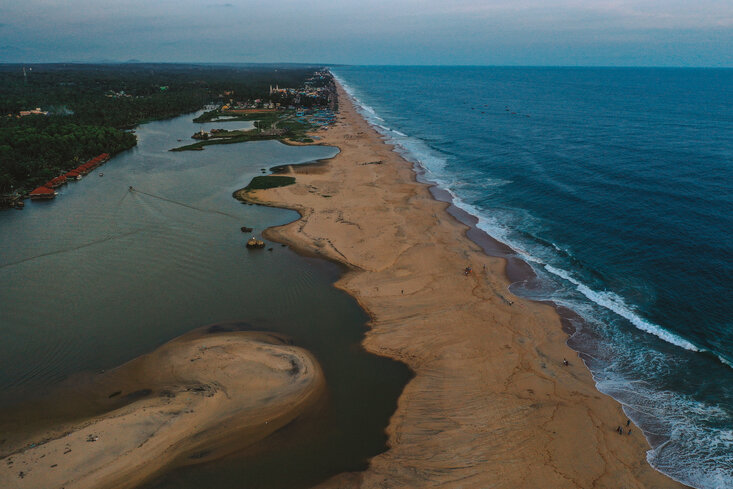
The name Poovar translates to ‘River of flowers’, an amalgamation of the Malayalam words ‘poo’ (flower) and ‘var’ (stream). Local legends recall a time when the Neyyar river carried yellow blossoms downstream in such abundance that boats appeared to float on floral carpets instead of water. Whether a myth or a botanical reality, the name captures something essential about Poovar: a coastal confluence where river meets sea, freshwater mingles with the Arabian Sea’s tides, and nature reveals itself in spectacular ways.
Club Mahindra Poovar sits at this unique geographic threshold: an island resort accessible only by boat, bordered on three sides by backwaters, and the Arabian Sea on the fourth. Traditional Kerala architecture opens to sweeping views of the estuary, where rare migratory birds pause during transoceanic flights. Guests can also boat across to Poovar’s famed Golden Sand Beach, a striking stretch where river, sea, and shore meet in dramatic contrast. The resort’s Ayurvedic spa treatments incorporate local herbs, continuing the timeless tradition of drawing wellness from the land.
Mahindra Holidays & Resorts India Ltd. (MHRIL), a part of Leisure and Hospitality sector of the Mahindra Group, offers quality family holidays primarily through vacation ownership memberships and brings to the industry values such as reliability, trust and customer satisfaction. Started in 1996, the company's flagship brand ‘Club Mahindra’, today has over 300,000 members , who can holiday at 140+ resorts in India and abroad.